Reviewed by AWEYER, IES member, Certified Lighting Designer | LUXX Lighting Engineering · Last reviewed September 2026
Quick Answer:
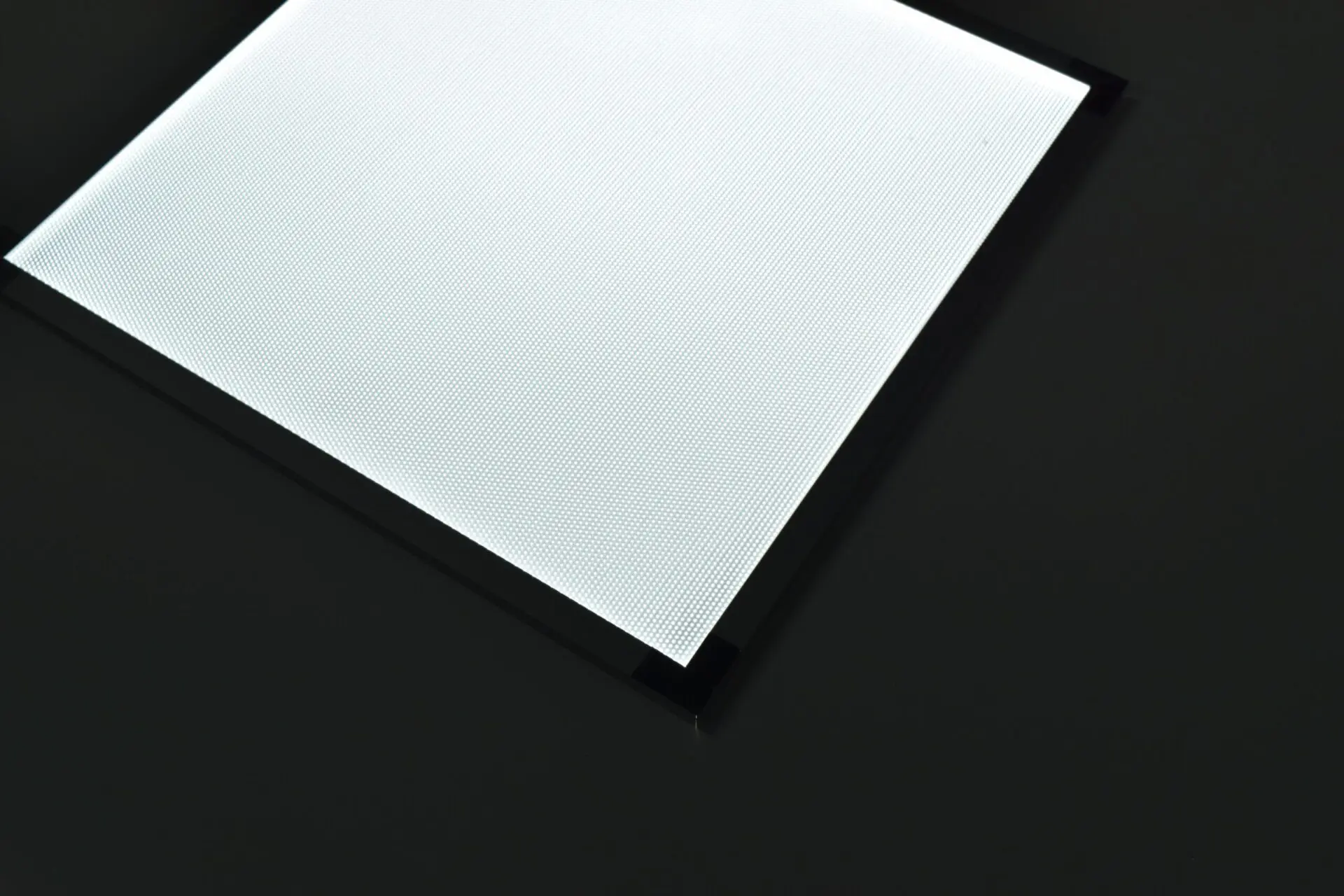
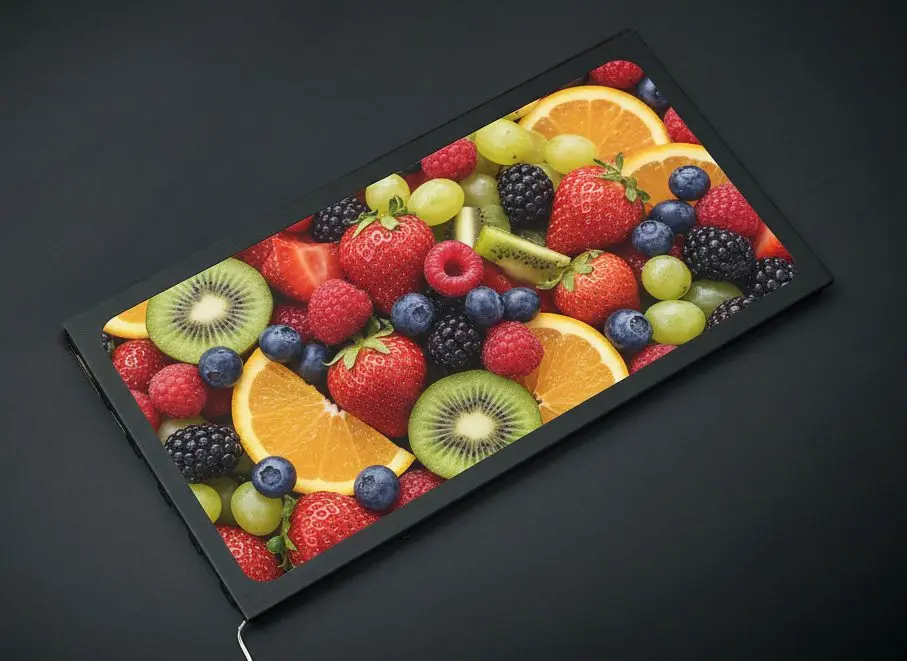
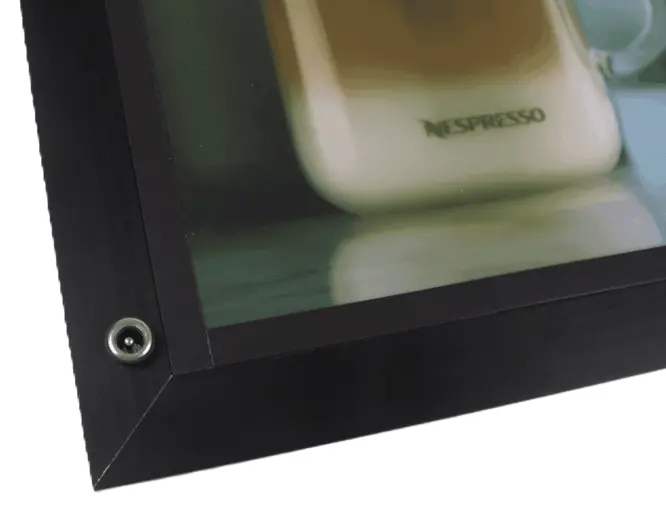
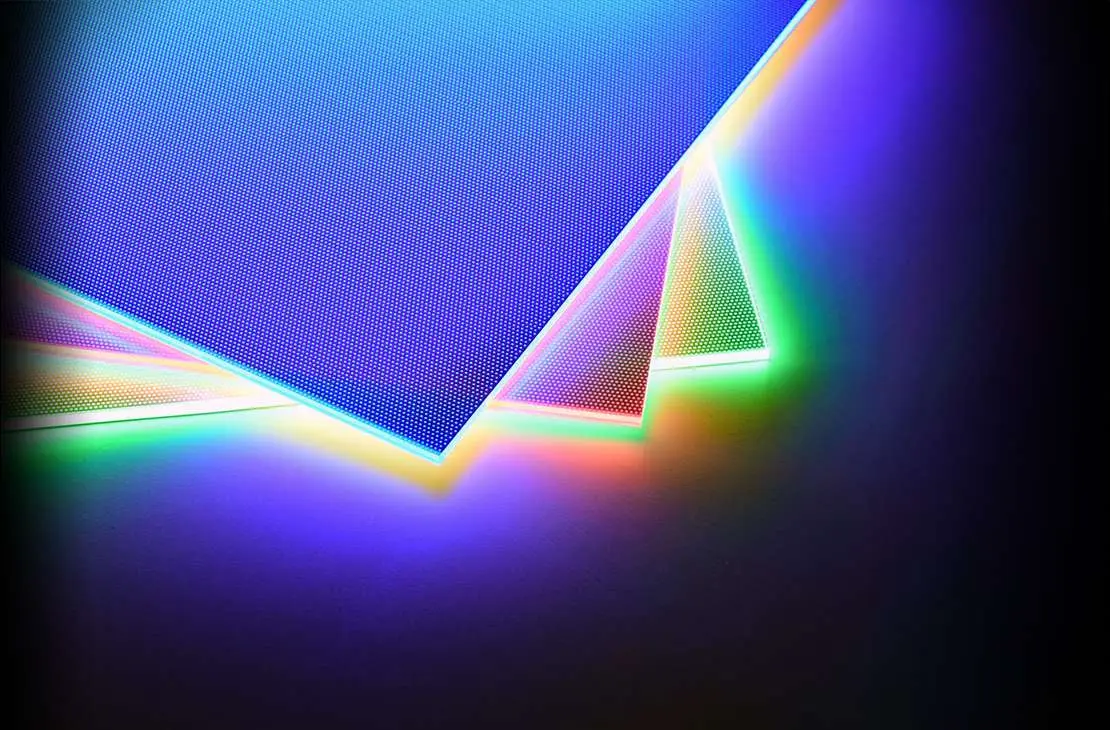
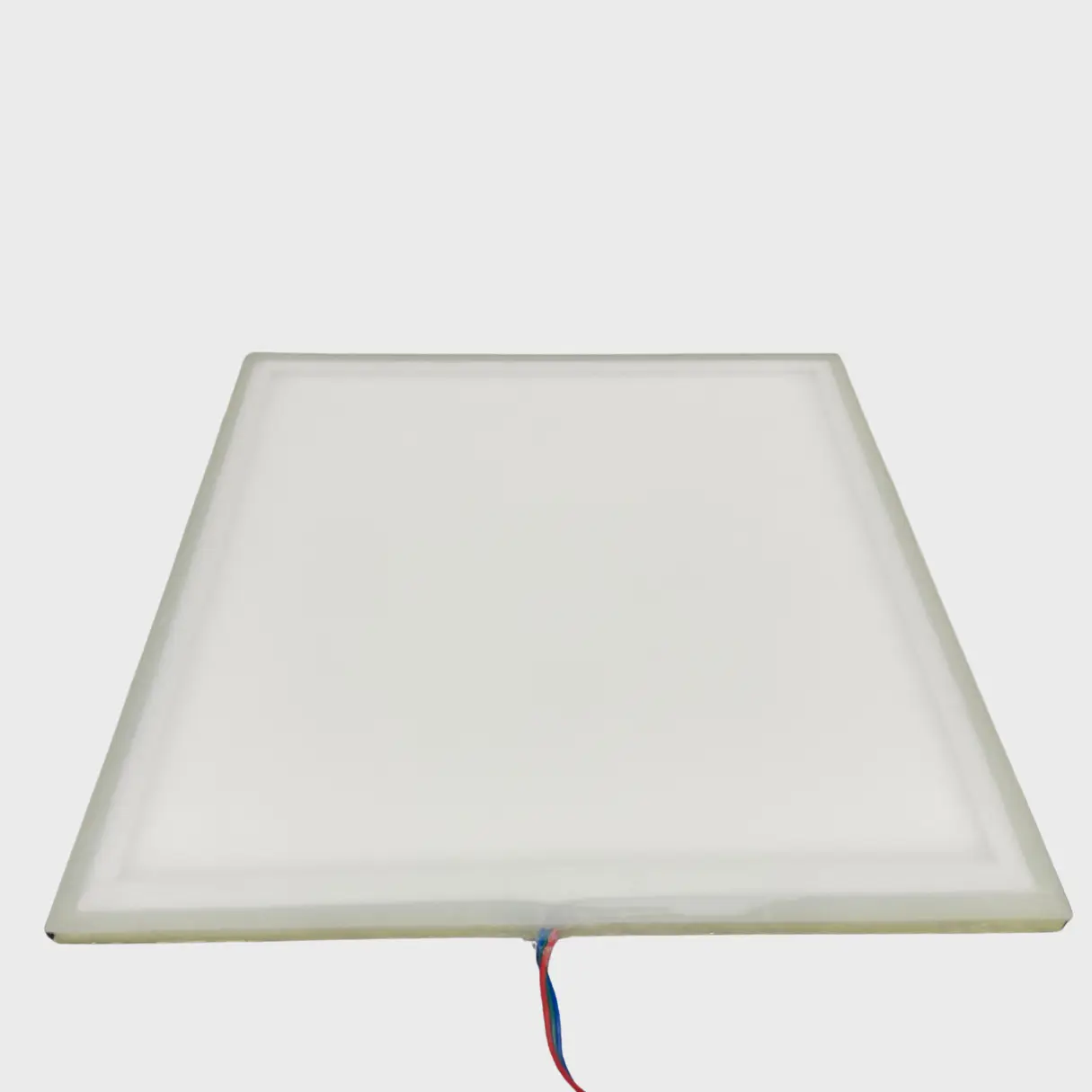
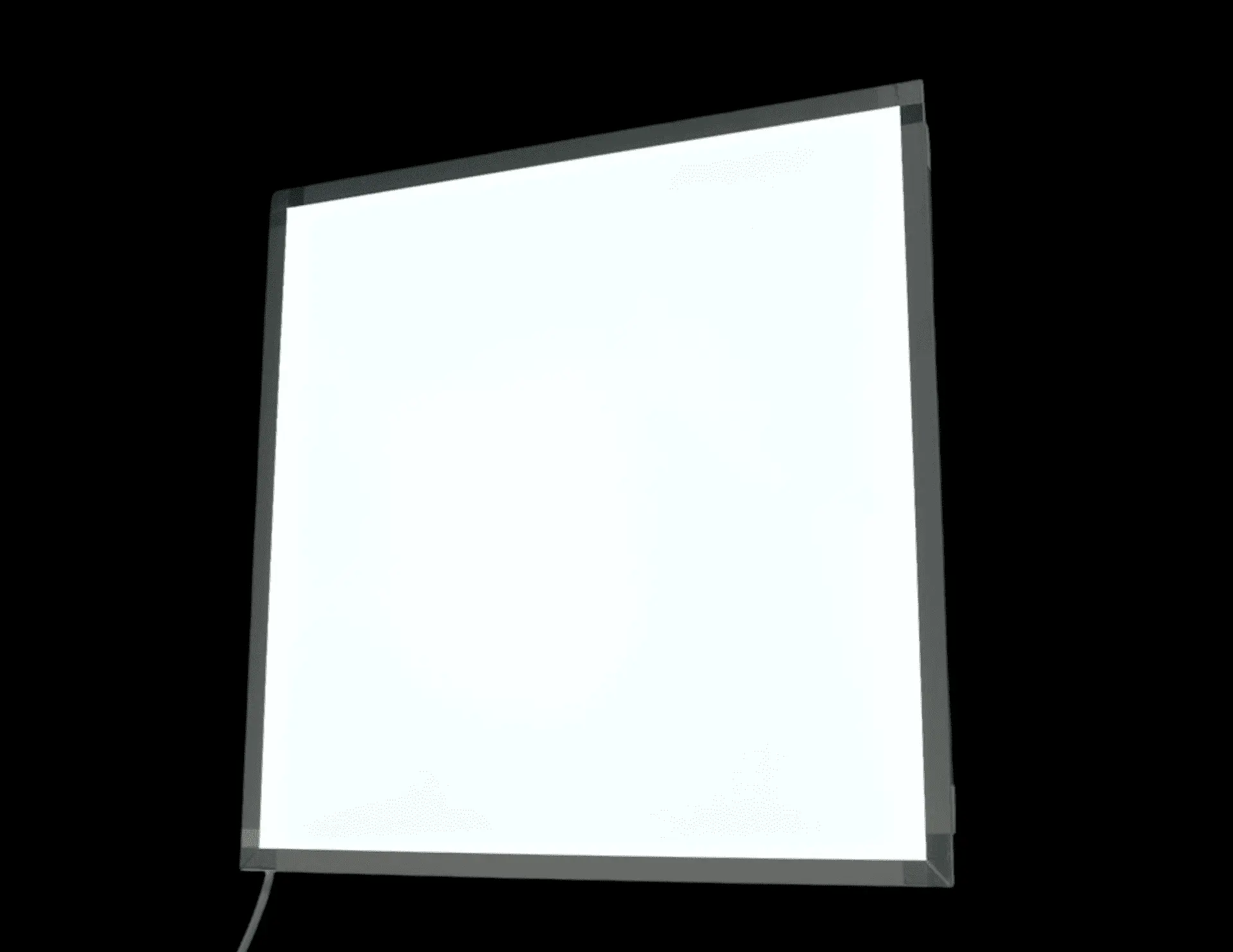
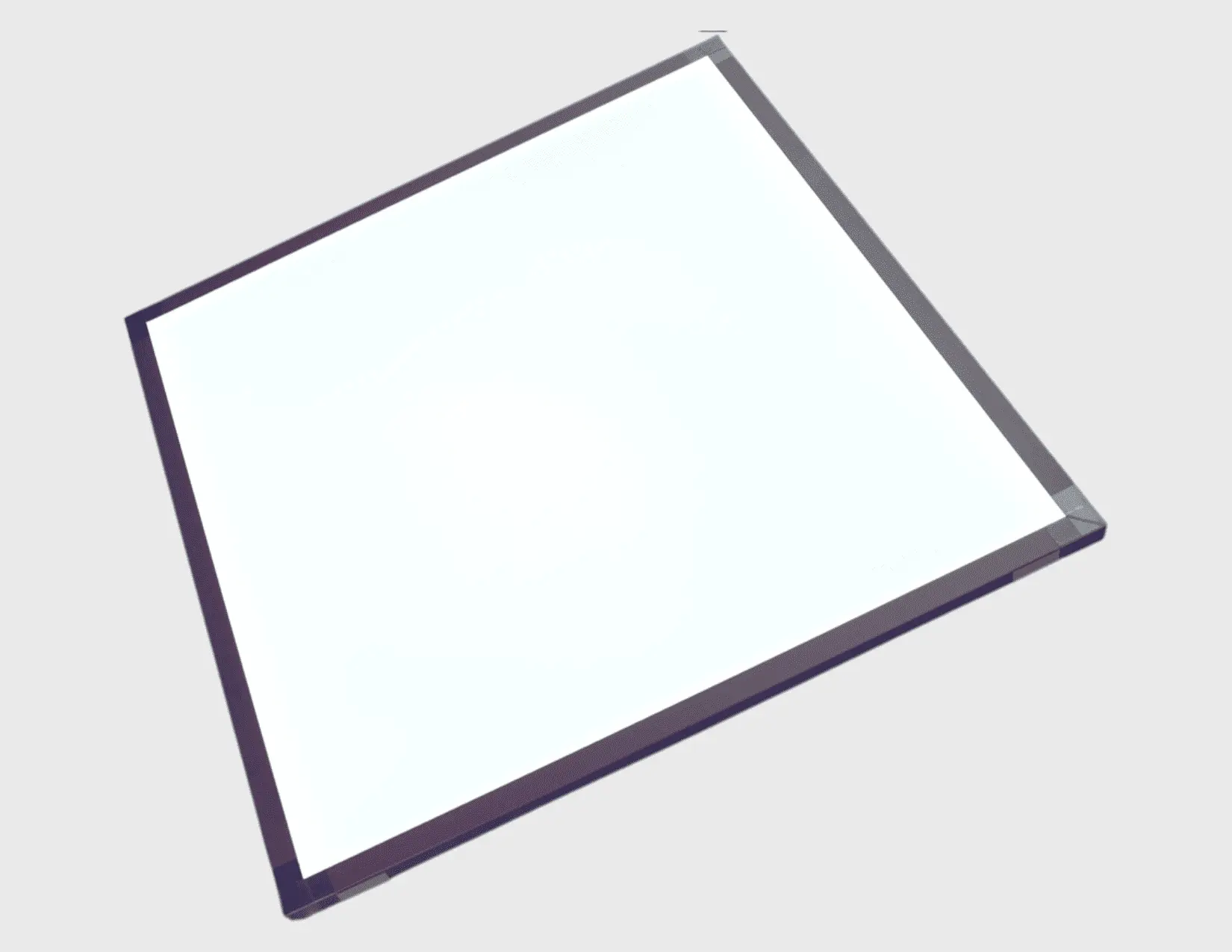
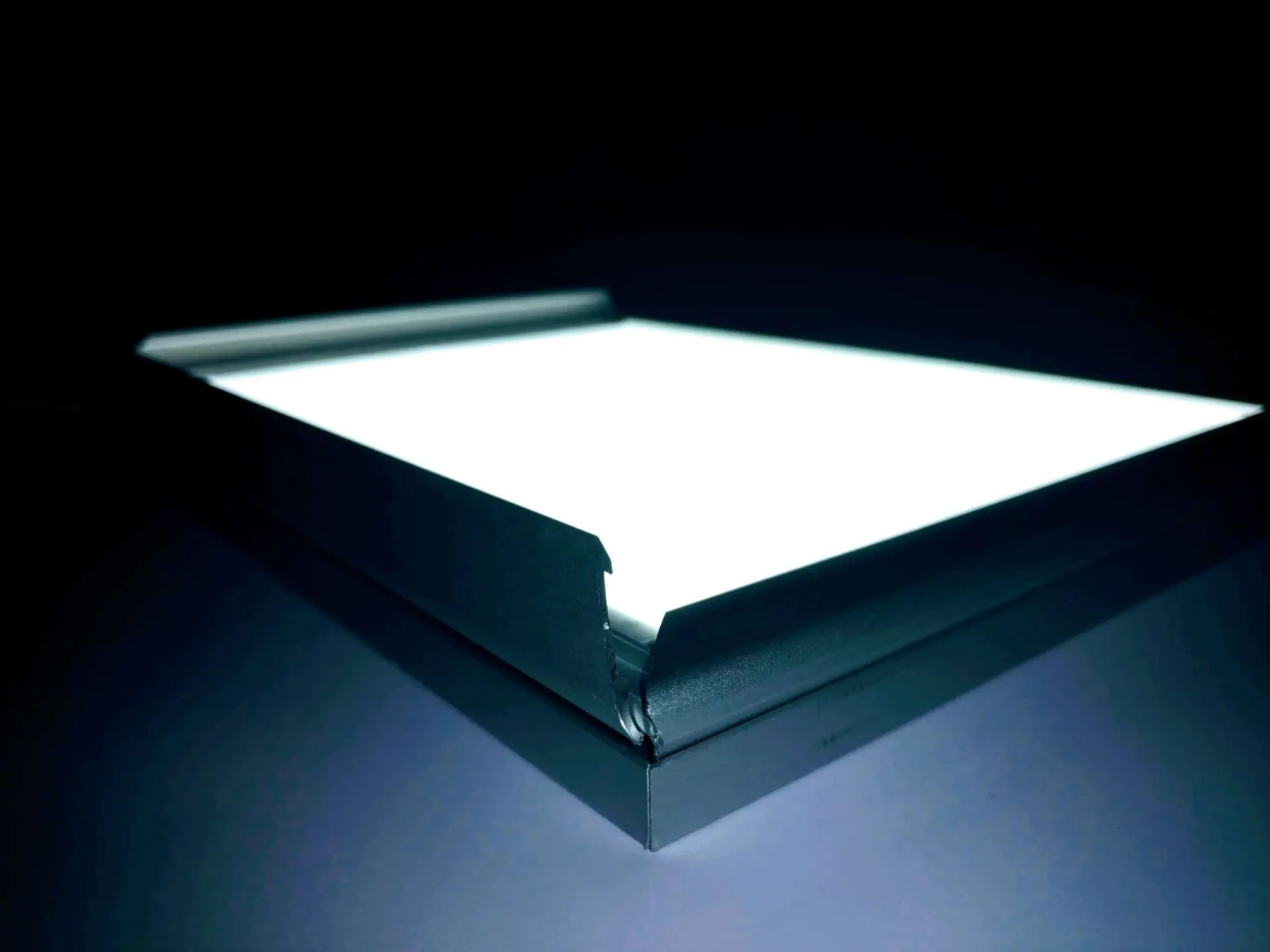
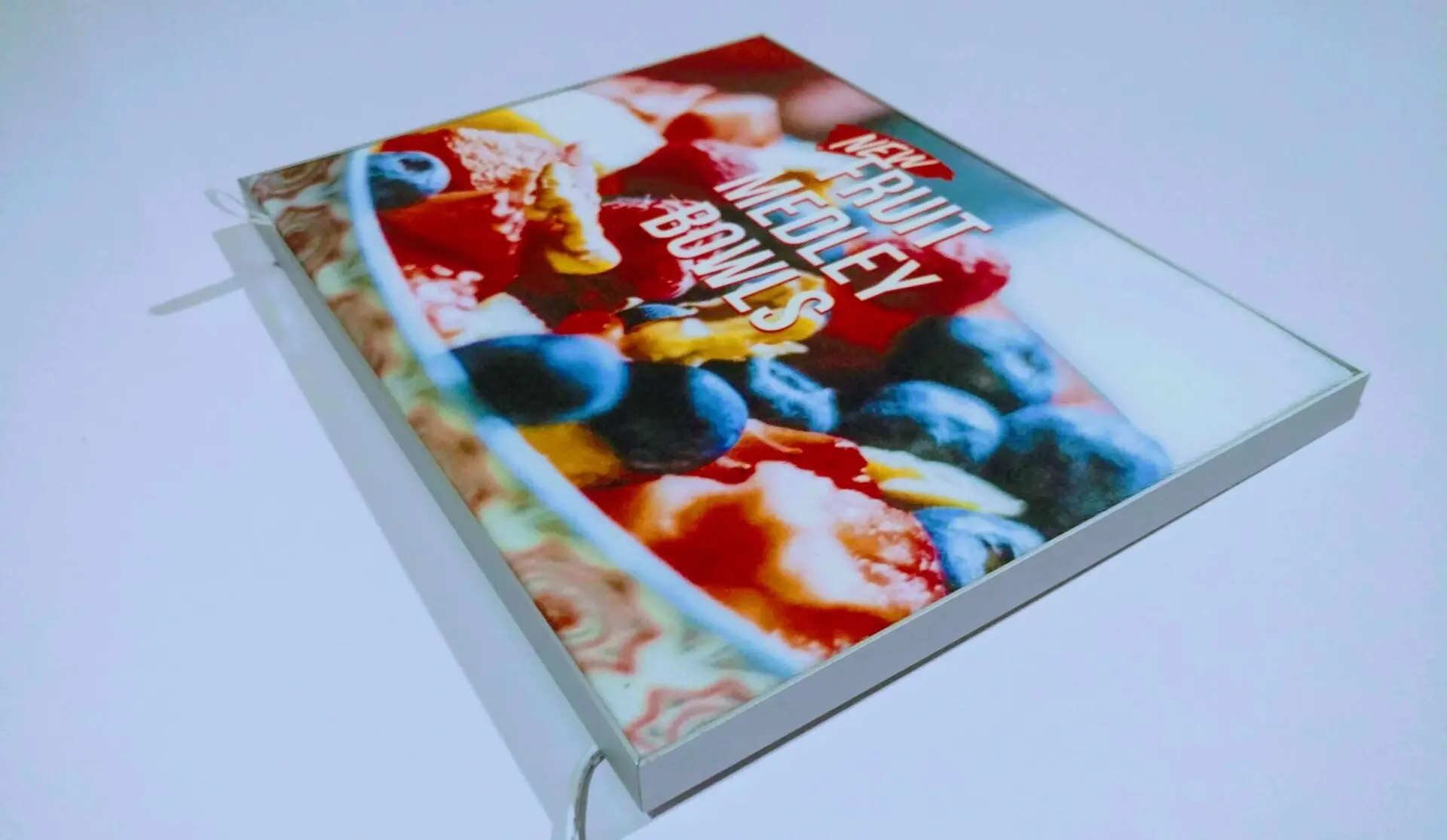
To backlight an onyx wall evenly, laminate the stone to glass or a translucent honeycomb panel, mount a continuous area light source behind it, and hold a consistent air gap between light and stone. LightWave® flexible LED light sheets are under 7 mm thick with 324 LEDs per square foot, so a slab around 20 mm thick can light evenly with roughly 25 mm (1″) behind the stone. Plan removable access and split walls over 500 W into separate driver zones.
A backlit onyx wall is the most photographed surface in a lobby, bar or suite — and the least forgiving. Stone shows every flaw in the light behind it: stripes from strip ladders, dark joints between modules, a hot center with dim corners. This page covers vertical installations only: feature walls, shower walls, backsplashes, fireplaces, reception desk fronts and bar fronts. For horizontal surfaces, see backlit onyx countertops, bar tops and islands.
What does a backlit onyx wall need to look even?
Three things, in this order: an even light source, a consistent distance between that source and the stone, and a stone that is thin and consistent enough to transmit light. Get the first two right and natural veining becomes the feature. Get them wrong and the wall reads as a lightbox with stone on the front.
- Even source: an area source — a light sheet — rather than rows of point sources.
- Consistent gap: held with spacers, not left to how flat the substrate happens to be.
- Suitable stone: onyx is typically cut to around 20 mm or less for backlighting and often laminated to glass. See measured light transmission by stone and thickness.
How is a backlit onyx wall built?
From the room side back, a typical assembly is:
- Onyx slab or tiles, typically around 20 mm, book-matched where veining matters.
- Backing: clear laminated glass or a translucent honeycomb panel for large or tall walls.
- Air gap, typically about 25 mm (1″) for 20 mm onyx, held by the LightWave® screw spacer set at regular intervals.
- LightWave® sheets or Roll It! runs adhered to a flat, clean back panel.
- Back panel or wall structure with a service route for cables and drivers.
Drivers sit outside the cavity wherever possible, in a ventilated, accessible location.
How deep does the cavity behind an onyx wall need to be?
With LightWave®, the light source itself is under 7 mm. The rest of the depth is the air gap the stone needs to blend the light. Denser, more heavily veined stone needs more gap; thinner, more translucent stone needs less. A mockup with your actual slab is the only reliable test.
Which LightWave variant suits an onyx wall?
| Wall type | Recommended | Why |
|---|---|---|
| Feature or lobby wall, static white | Generation 1 Plus, single color | 14 W per 12″ × 24″ sheet, 1,580–1,720 lm, cuts to any panel layout |
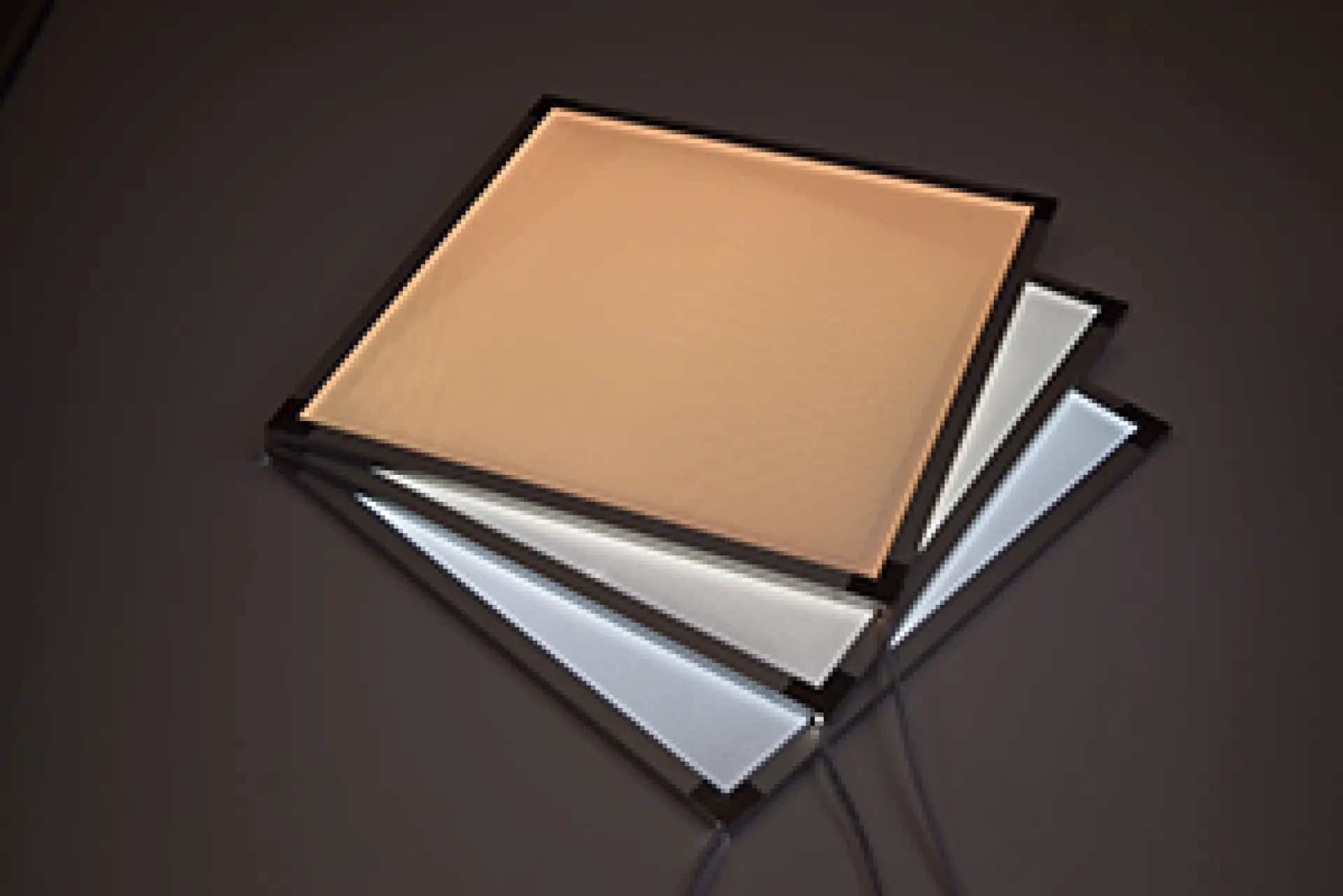
| Wall that must shift warm to cool through the day | Generation 1 Plus or CH2, tunable white | 2700K–6500K under controller command |
| Wall where true color matters (hospitality, retail) | CH2 | RGBW build reaches CRI 90 |
| Long, narrow bands (bar fronts, reception desks) | Roll It! | 4″ wide, continuous up to 40 ft (standard), fewer splices |
| Wall that animates or changes color by zone | PIXX | Addressable SPI pixel control |
How do you backlight an onyx shower wall?
A shower wall adds moisture to every other rule. The lighting must sit in a dry cavity behind a sealed stone-and-glass assembly, never exposed to water or steam. Drivers go outside the wet zone in a ventilated space.
How do you backlight an onyx backsplash or fireplace surround?
Backsplashes are shallow by nature — the cavity is often limited by the countertop depth and the wall behind. That is where an under-7 mm sheet earns its place: nearly all the available depth goes to the air gap. Plan outlets and switches before the stone is templated; every cutout needs an unlit border.
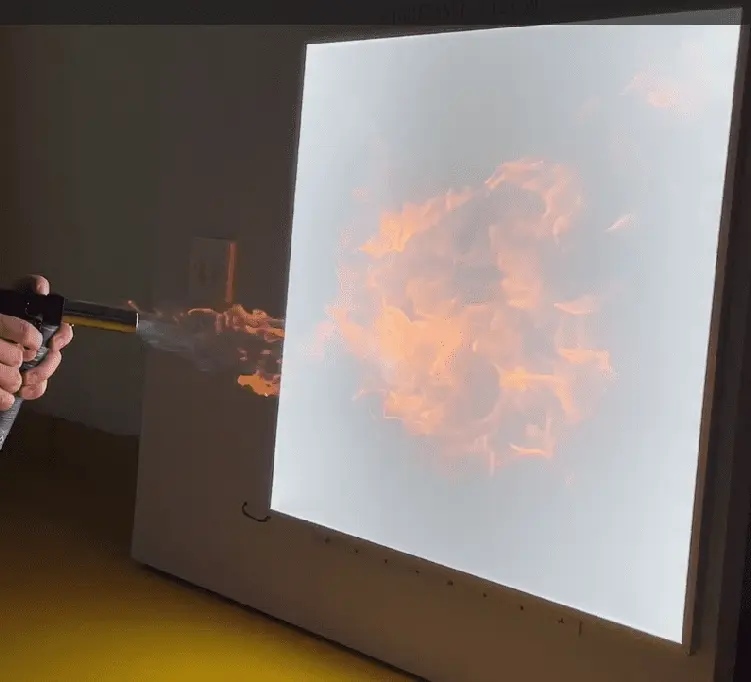
Fireplace surrounds need the lighting kept away from heat. Light only the stone panels that sit outside the firebox’s heat zone, and confirm clearances with the fireplace manufacturer.
How do you backlight a reception desk or bar front?
Desk and bar fronts are long, narrow and often curved. Roll It! runs up to 40 ft continuous in the standard format, so a front can be lit in one run with no joints across the stone. LightWave® sheets bend around curved fronts and waterfall returns; the sheet follows the curve while spacers hold the gap. One LUXX reference project is a 14-foot backlit onyx bar front with a waterfall return at each end, with roughly 25 mm behind a 20 mm slab laminated to glass.
Can you backlight acrylic, Corian, resin or other stone wall panels?
Yes — the same build works for any translucent wall panel. Backlit acrylic and translucent resin panels transmit light more evenly than natural stone, so they usually need less air gap. Translucent solid surface such as Corian is thicker and denser, so it needs more output behind it. Quartzite, agate and translucent granite follow the stone rules above; each slab varies, so mock up with the real material. See translucent materials for backlighting.
How do you backlight a headboard or wine wall?
A backlit onyx headboard is a small vertical panel with the same build as a feature wall — sheet, spacer gap, stone on glass — usually on a single driver hidden in the bed base or wall. A backlit onyx wine wall combines a lit stone field with display; the stone panels follow this page, and the bottle shelving follows back bar and bottle display lighting.
How do you keep a backlit wall serviceable?
- Mount stone panels on removable clips or a hinged frame, or build a rear service corridor.
- Keep drivers outside the cavity, labeled by zone.
- Photograph and record the sheet layout and wiring before the stone goes on.
- Split the wall into zones so one fault never darkens the whole surface.
Choosing the white for the stone? See the LED light sheet color temperature guide.
Backlit Onyx Wall FAQs
Can you backlight an entire onyx wall with LED sheets?
Yes. LightWave® sheets tile edge to edge and cut to any panel shape, so a wall of any size can be lit as one surface. Walls above 500 W are split into driver zones.
Can you backlight a curved onyx wall?
Yes. Onyx laminated to curved glass or a formed honeycomb panel can be lit with LightWave® sheets, which bend to follow the curve while the spacer set holds a consistent gap.
Can a backlit onyx wall change color?
Yes. Tunable white sheets shift from 2700K to 6500K, RGBW sheets add color, and PIXX sheets allow zone-by-zone animation behind the stone.
How do you replace a failed sheet behind an onyx wall?
Through the access route planned at design stage — removable panels, a hinged frame or a rear service corridor. Zoned wiring means only the affected zone is off while it is serviced.
Related: flexible LED light sheets · backlit onyx countertops, bar tops and islands · backlit stone transmission test · LED sheet hotspot distance · backlighting cost guide
UL Listed · LUXX since 1996
LightWave® products used for this application: Generation 1 Plus (feature and lobby walls) · CH2 (true-color walls) · Roll It! (reception desk and bar fronts) · PIXX (animated walls). Specify with: power supply calculator · heat and hotspot management.