

Quick Answer:
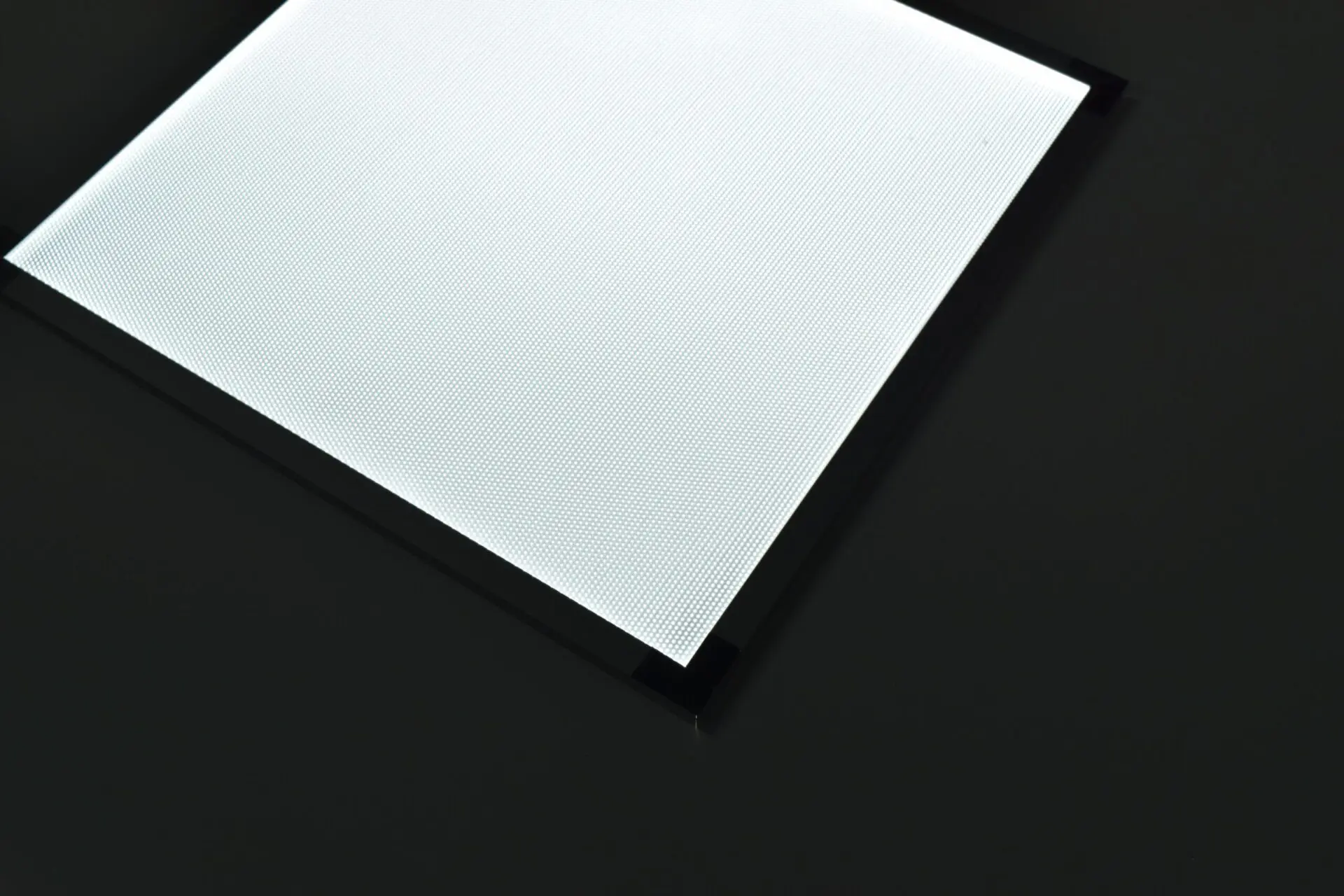
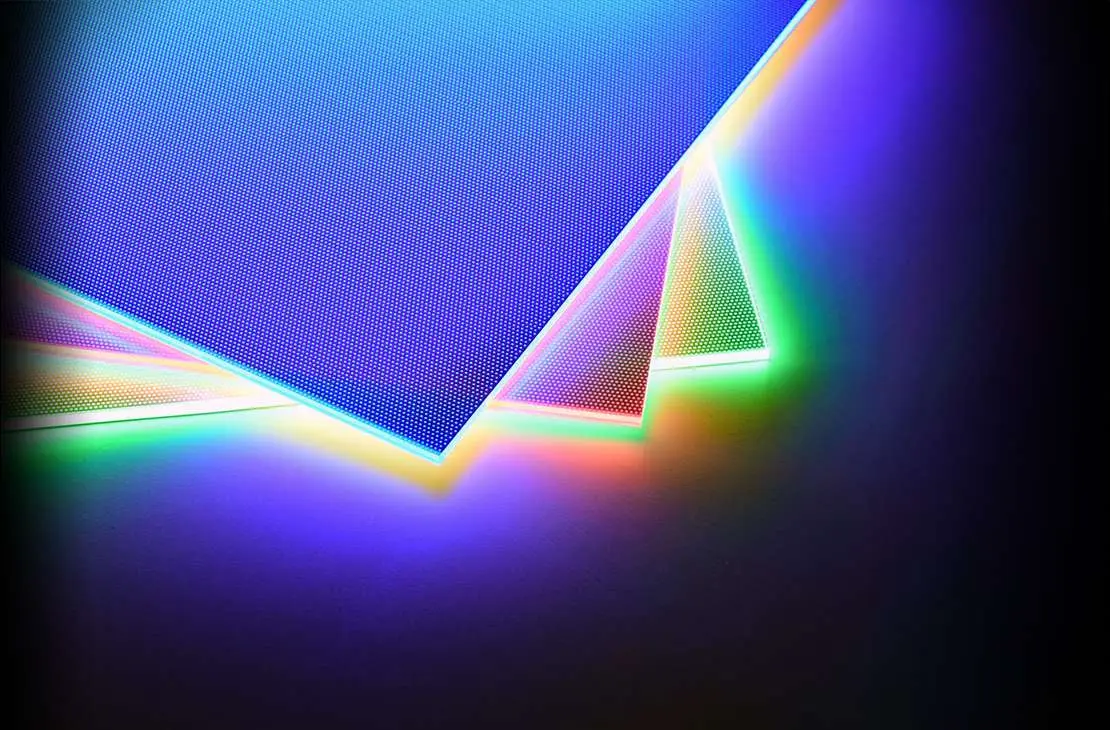
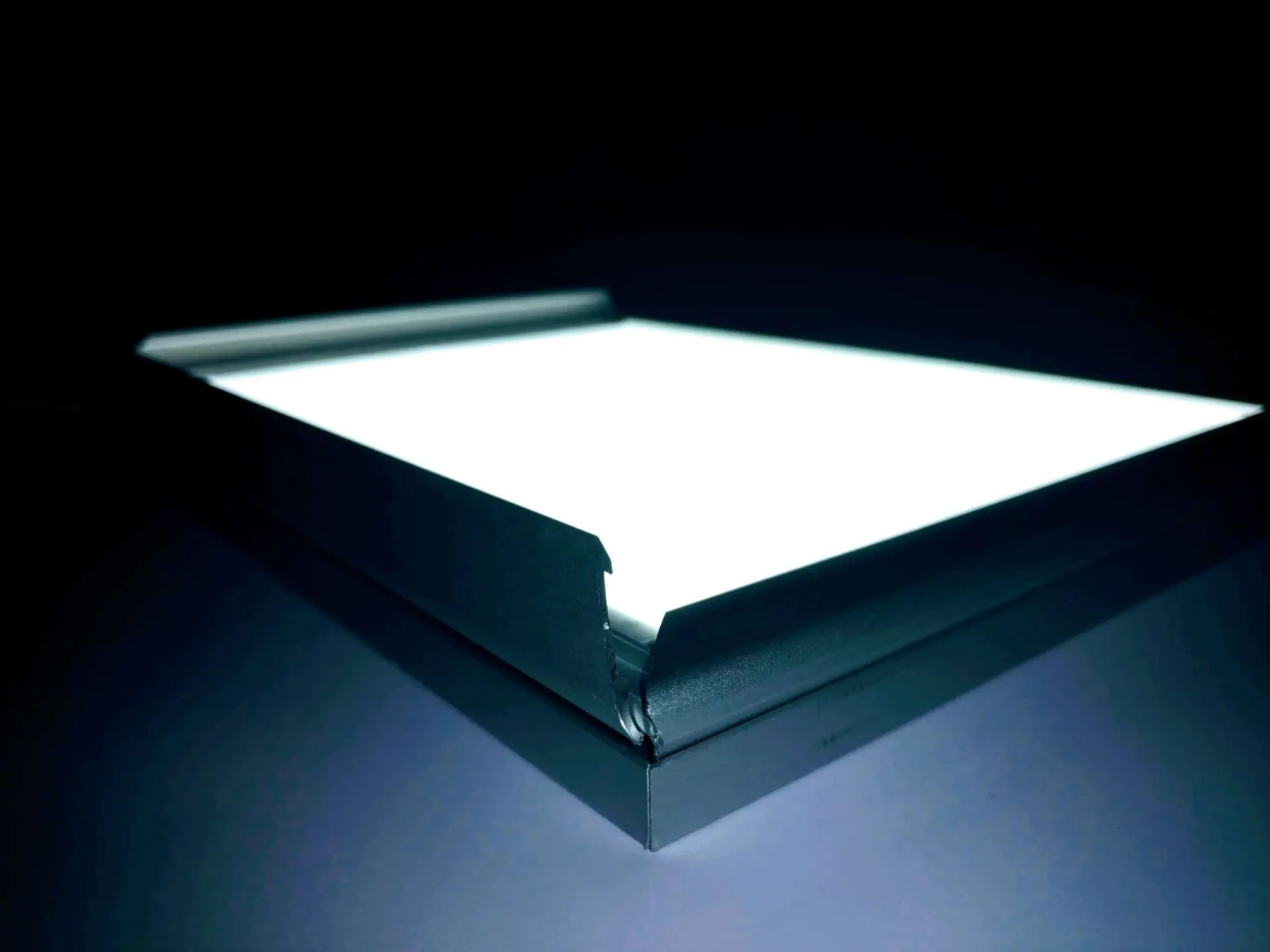
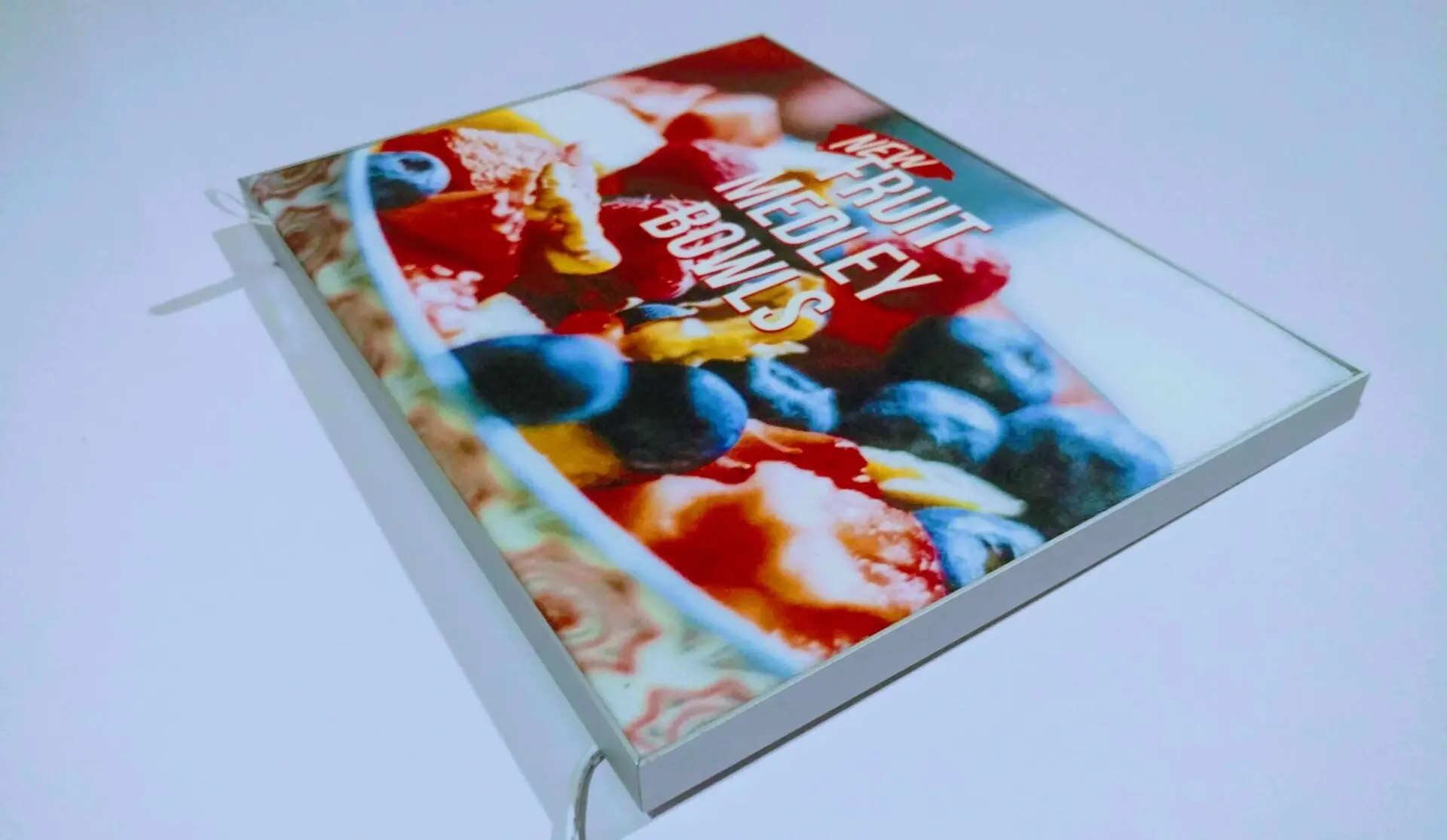
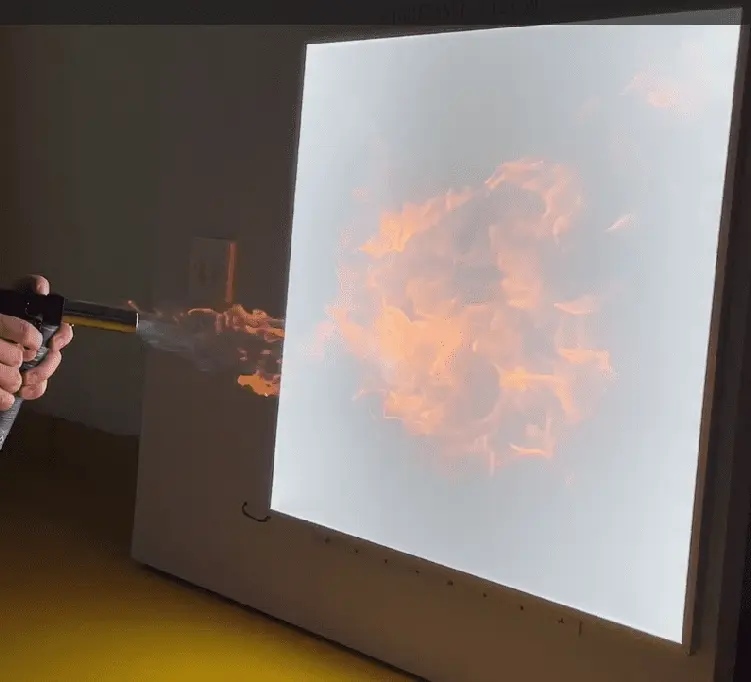
A flexible LED sheet is a thin LED lighting surface that can be cut, bent and installed behind translucent materials to create broad, even illumination. LightWave® sheets are under 7 mm thick, use a dense 324-LED-per-square-foot layout, and are available in single-color, tunable-white and RGBW configurations. This makes them useful for signage, millwork, stone, displays, feature walls and other shallow or curved backlighting applications.
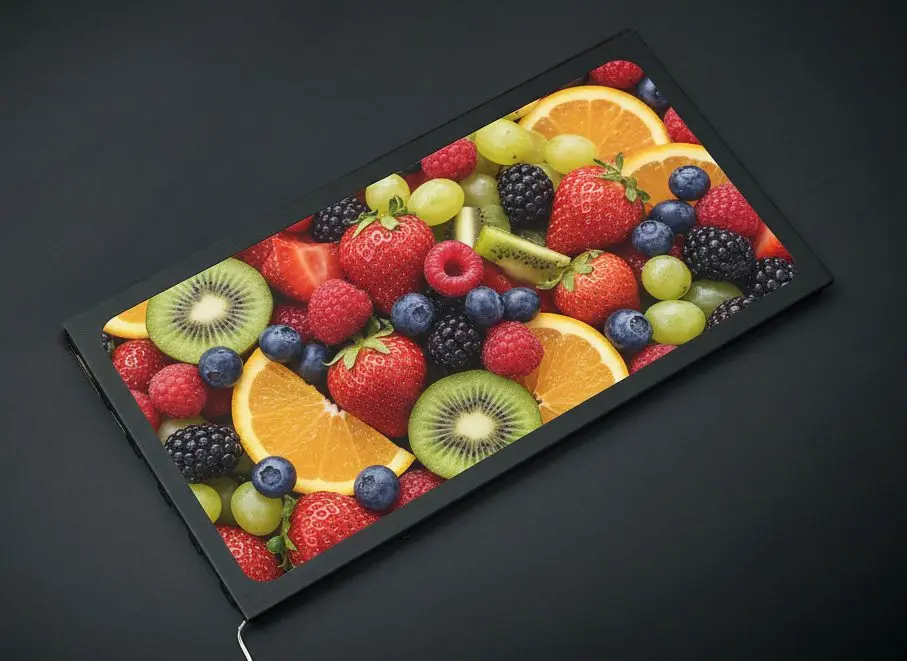
A flexible LED sheet is a thin, bendable panel carrying LEDs at high density across a two-dimensional surface, designed to backlight an area evenly rather than to produce a line of light. It cuts to shape, wraps around curves, and mounts with adhesive backing, which makes it the standard solution for backlighting signage, translucent stone, retail casework, and architectural features where the illuminated surface was never built flat. See the full flexible LED light sheets range for every LightWave configuration.
LightWave® from LUXX is a commercial flexible LED sheet line manufactured under 7mm thick, cuttable along designated lines, available in single color, tunable white, RGBW, and addressable configurations. This page covers what the product is and which variant fits which job.
What is a flexible LED sheet?
The defining characteristic is area emission. A rigid LED panel produces even light but dictates the shape of whatever holds it. An LED strip produces a line and requires multiple parallel runs plus cavity depth to approximate a field, see LED light sheet vs LED strip lights for the full comparison. A flexible sheet emits across its whole face from the outset, and bends and cuts to meet the geometry it is installed into.
Construction
Diodes are mounted at high density on a flexible substrate with an adhesive backing. Density is what makes the output read as continuous: LightWave Roll It! carries 324 LEDs per square foot, PIXX carries 628 per square foot, and Generation 1 Plus packs 648 diodes into a 12 by 24 inch sheet. Because the sources are already close together, very little distance is needed between the sheet and the face material for individual diodes to disappear into an even field.
Thickness
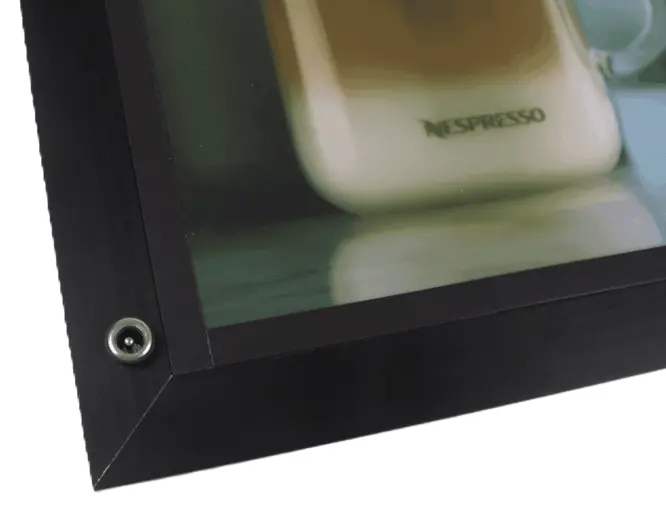
LightWave sheets are under 7mm. That figure determines where the product can go. Cabinet depth, millwork dimensions, and vitrine construction are usually fixed before lighting is selected, and a source that needs more depth than exists means rebuilding the enclosure. Under 7mm fits shallow retail casework, museum cases, slim signage cabinets, and retrofits into cavities that were never designed for lighting.
Cutting and mounting
Sheets cut along designated lines to fit panels, frames, and custom shapes on site, so field dimensions can be taken late and material waste stays low. Cutting outside the designated lines severs circuit paths and disables sections. Most variants mount by adhesive: peel, position, press onto a clean, dry, prepared substrate.
For a complete overview of LightWave flexible LED light sheets, variants, and
applications, see the flexible LED light sheets pillar page.
Which LightWave product fits your project?
Four products, each answering a different problem rather than sitting at a different price tier.
LightWave Roll It!
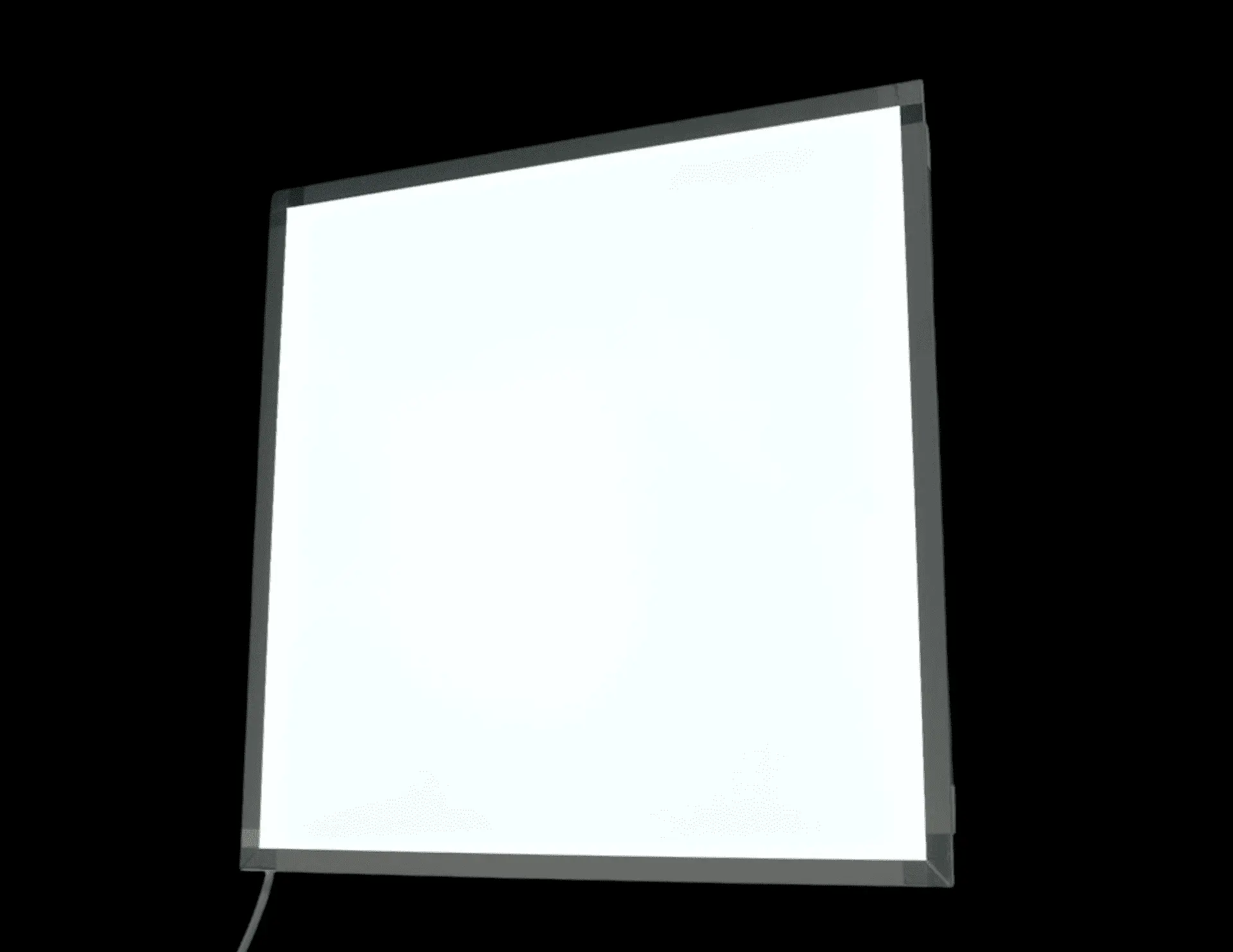
Continuous rolls up to 40 feet, 4 inches wide, rated 130 lm/W in its 3500K/5000K/6500K configuration and 115 to 130 lm/W across the wider 1800K to 6500K range. Output runs 840 to 1,400 lumens per square foot at 324 LEDs per square foot, CRI above 80. Its advantage is the format: one long powered section instead of a chain of small panels means fewer drivers, fewer splices, and less wiring clutter. Built for retail display walls, backlit signage and billboards, transit corridors, trade show backdrops, and long hallways.
LightWave Generation 1 Plus
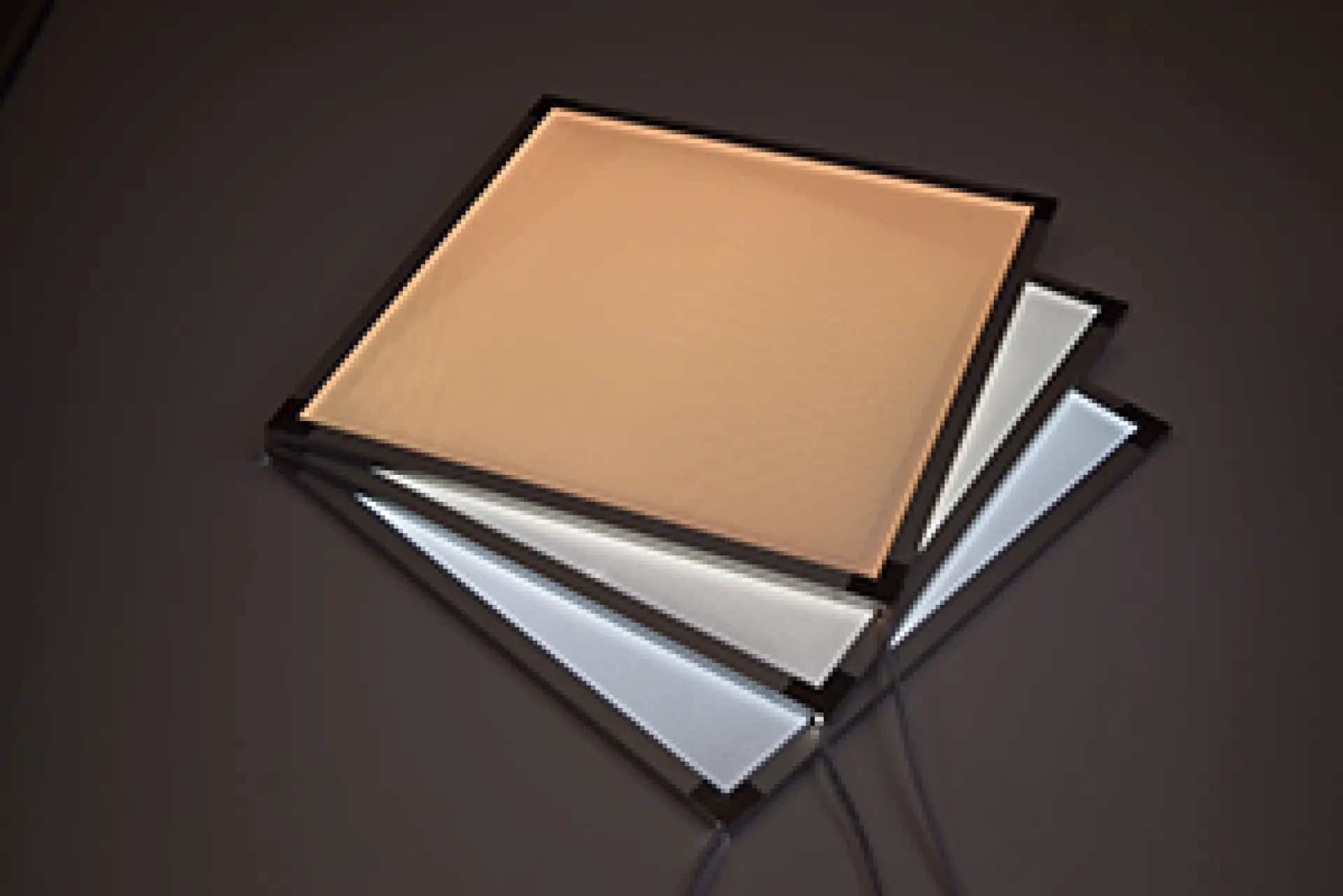
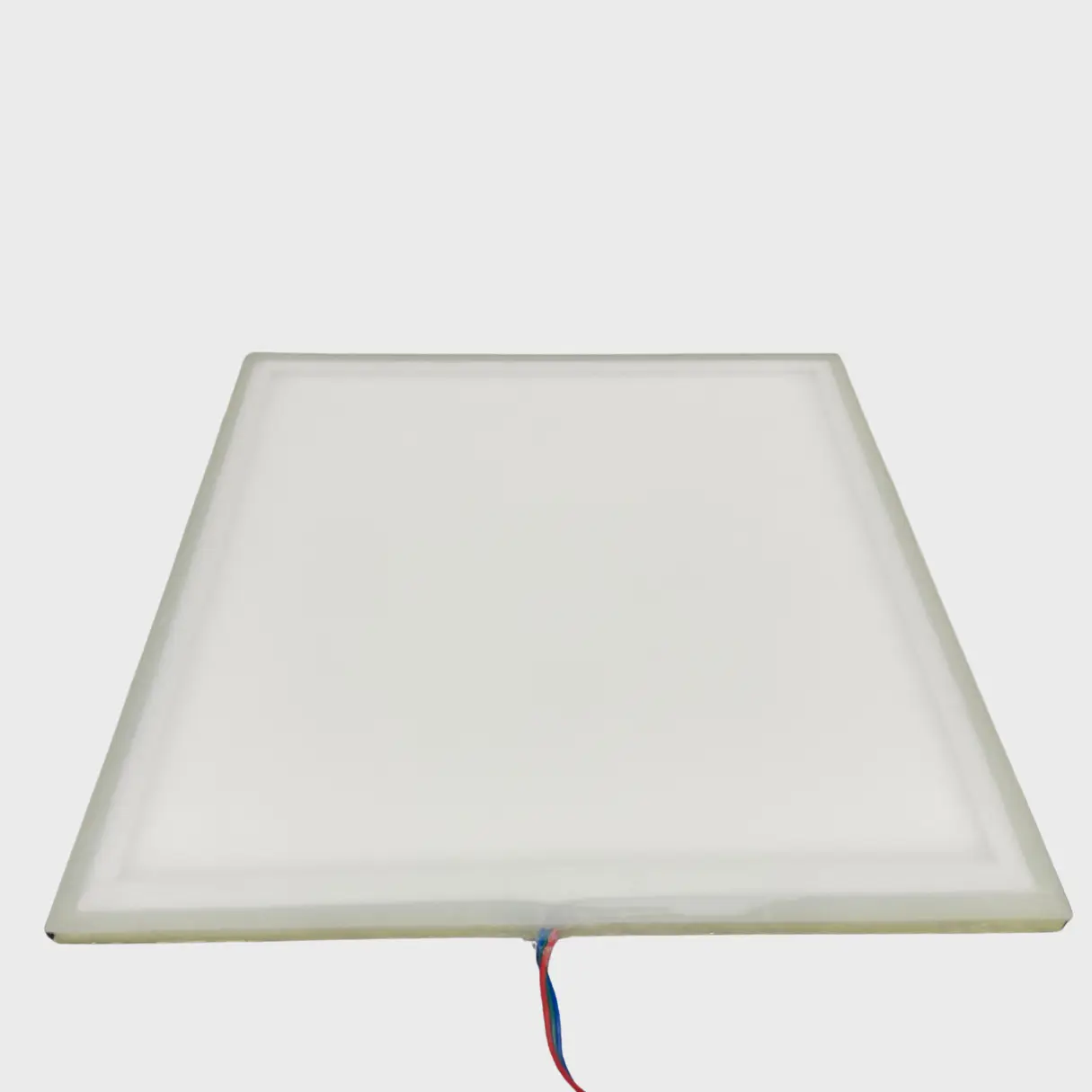
Modular 12 by 24 inch adhesive-backed sheets, 648 diodes, 113 to 123 lm/W, Ra 80+. Available single color, tunable white (2700K to 6500K), or RGBW. Single color draws 14W and produces 1,580 to 1,720 lumens; tunable white runs two channels at 14W each; RGBW runs four channels at 4W each for 490 lumens at 5000K. The general-purpose choice for irregular shapes and moderate areas built up from cut pieces.
LightWave CH2
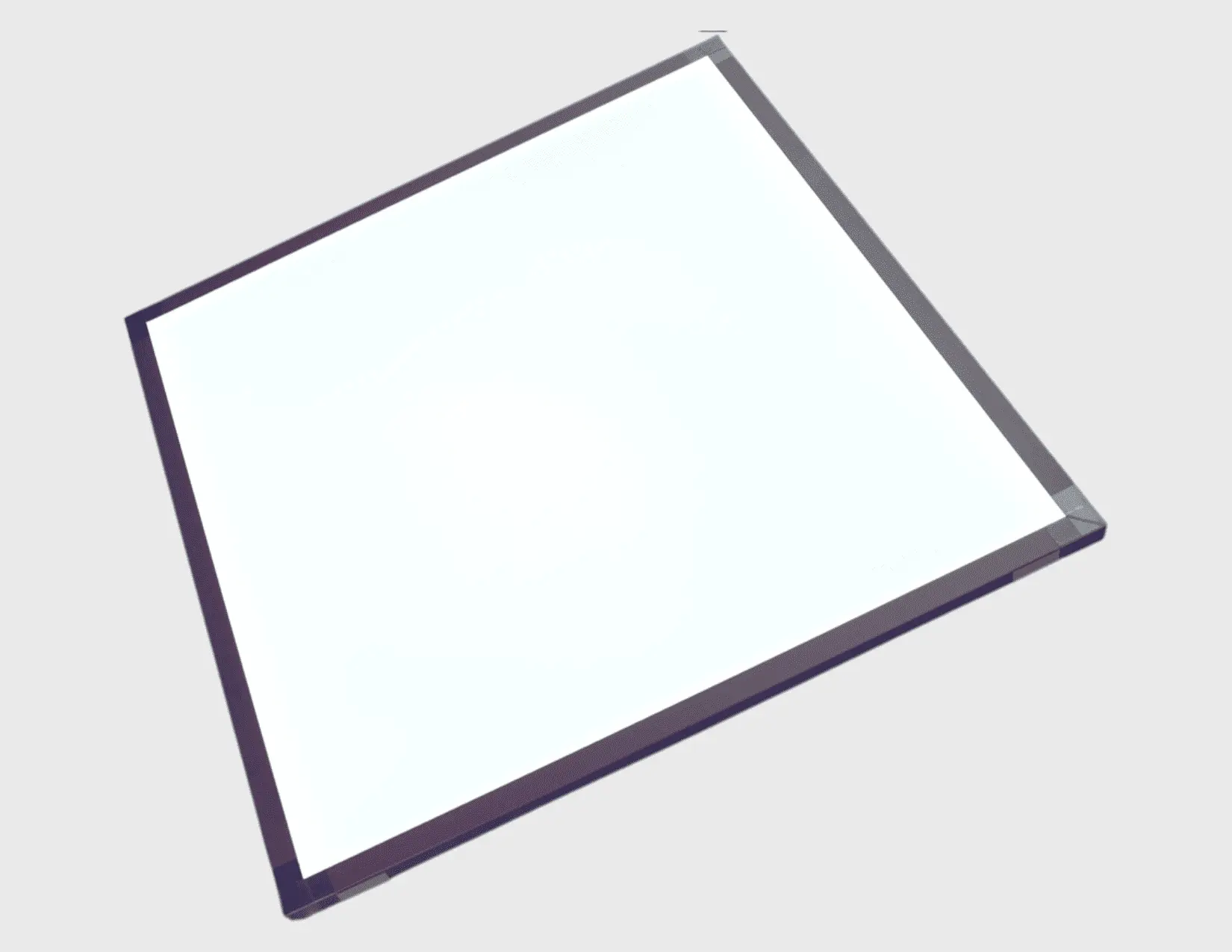
12 by 24 inch sheets in tunable white or RGBW, above 90 lm/W. Tunable white runs two channels at 20W for 1,800 to 1,850 lumens at Ra 80+. RGBW runs four channels at 11W for 900 lumens at 5000K and reaches CRI 90 — the color-accuracy option in the line. Note that the CRI 90 rating applies to the RGBW variant; CH2 tunable white is Ra 80+.
LightWave PIXX
Addressable RGBW at 9.25 by 19.8 inches with SPI pixel control, 800 LEDs in four groups of 200, 35W, 810 lumens at 5000K. Power density is 27.5W per square foot, substantially above the static products, because pixel control distributes drive electronics across the sheet. Specify PIXX only when the surface must move — gradients, animation, chase effects, interactive installations.
What are flexible LED sheets used for?
Flexible LED sheets suit any condition where a whole surface must glow evenly and the depth behind it is limited.
- Backlit signage, sign faces and billboards
- Translucent stone, onyx and resin panels
- Retail display casework and shelving backlighting
- Museum and gallery vitrines
- Architectural cove, recess and feature walls
- Columns, curved millwork and compound-curved surfaces
- Trade show backdrops and event scenery
- Transit corridors, hallways and stairwells
Color temperature runs 1800K through 6500K depending on product, with tunable white available on Generation 1 Plus and CH2. Sheets are dimmable with a compatible driver or controller. LUXX bins LEDs within a 3-step MacAdam standard, which keeps tone and brightness consistent across sheets — the reason large multi-sheet surfaces read as one continuous field rather than a patchwork.
How are flexible LED sheets powered and installed?
Selecting the sheet is roughly half of a flexible LED sheet specification. Delivering power to it correctly is the other half, and it is where most field problems originate.
Calculating load
Work from power per unit area rather than per-sheet wattage, because sheets get cut and the installed area rarely matches the catalogue module. Roll It! draws 6.6W per square foot in its higher-efficacy configuration and 10.7W per square foot across the wider color range. PIXX draws 27.5W per square foot. Multiply the illuminated area by the relevant figure, add the headroom your electrical engineer specifies, and size drivers to that total. Running a driver at its rated ceiling shortens its life and is the most common cause of premature failure in otherwise sound installations.
Why the roll format changes the maths
Roll It! ships in continuous lengths up to 40 feet, which lets a long run be powered as one section instead of a chain of discrete panels. Fewer drivers, fewer splices, less wiring congestion in the cavity. Every splice is both a labour line item and a potential failure point, so removing them improves installed cost and long-term reliability at the same time.
Dimming
LightWave sheets are dimmable with a compatible driver or controller, and the tunable white and RGBW variants adjust color through the same controller. Confirm the dimming protocol with the controls contractor before the driver package is ordered. A protocol mismatch discovered after installation usually means opening finished millwork to correct it.
The screw spacer set
LUXX supplies a screw spacer set that holds the sheet at a fixed offset from the forward-facing material. It does two jobs simultaneously: it establishes the air gap that lets individual diodes blend into an even field rather than printing through the face material as visible points, and it provides thermal clearance so the sheet runs cooler and ages more slowly. Where the design has a sheet pressed flat against a translucent face, the spacer set is not an accessory — it is the component that determines whether the finished surface looks even. Specify it alongside the sheet rather than adding it later.
Surface preparation
Adhesive mounting depends entirely on substrate condition. The surface must be clean, dry, and free of dust and release agents. Adhesive failures in the field are almost always preparation failures rather than product failures, and they are far cheaper to prevent than to remediate once a face panel is installed over the top.
How do you choose between the LightWave variants?
Three questions resolve most specifications. First, is the run long and continuous, or is the surface built from irregular cut pieces? Long and continuous points to Roll It!; irregular points to Generation 1 Plus or CH2. Second, will anyone judge a product’s color under this light? If so, specify CH2 RGBW at CRI 90; if not, Ra 80+ is correct and more efficient. Third, does anything need to move? Motion means PIXX. A surface holding a static color that occasionally changes means RGBW, at a fraction of the power and commissioning cost. For the complete seven-decision specification process, see the LED light sheet buying guide.
Roll It! is designed to combine with the cuttable products, so a long architectural run can be Roll It! while the irregular returns and corners are filled with cut Generation 1 Plus or CH2. Match color temperature across products at specification so the join is invisible.
Product Line

Related Topics
Explore the cluster:
- LightWave flexible LED light sheets — pillar overview
- Buying guide — decision support
- Specs comparison — variant specs
- Power calculator — driver sizing
- Installation guide — setup
- Glossary — terminology