Quick Answer:
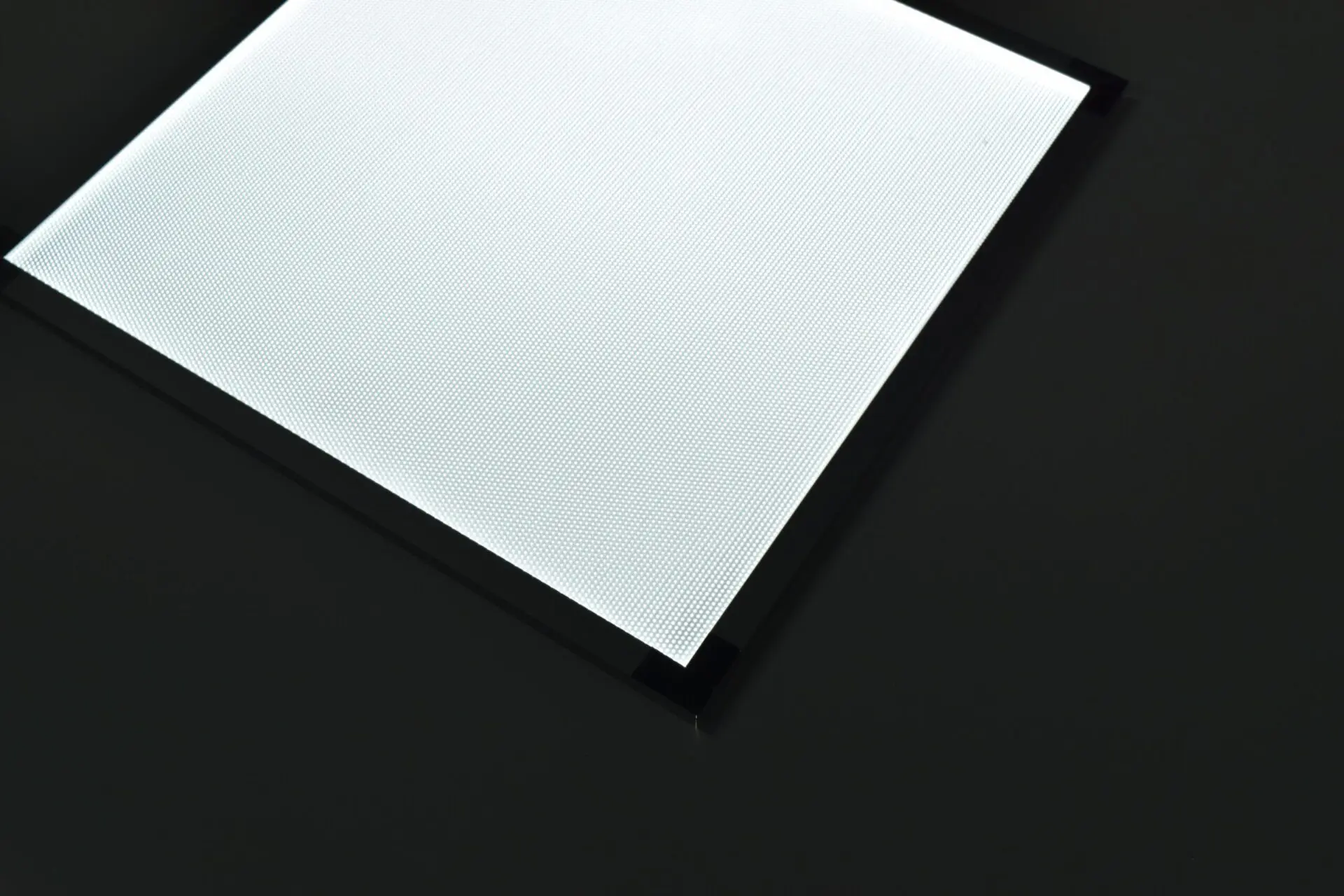
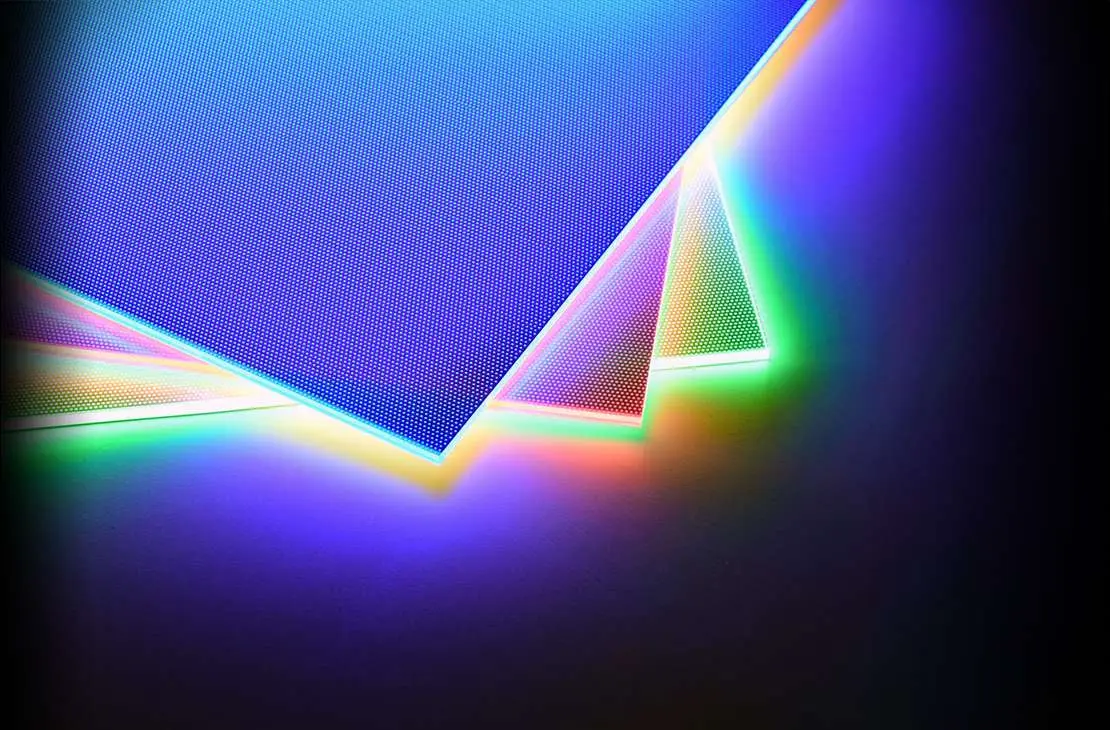
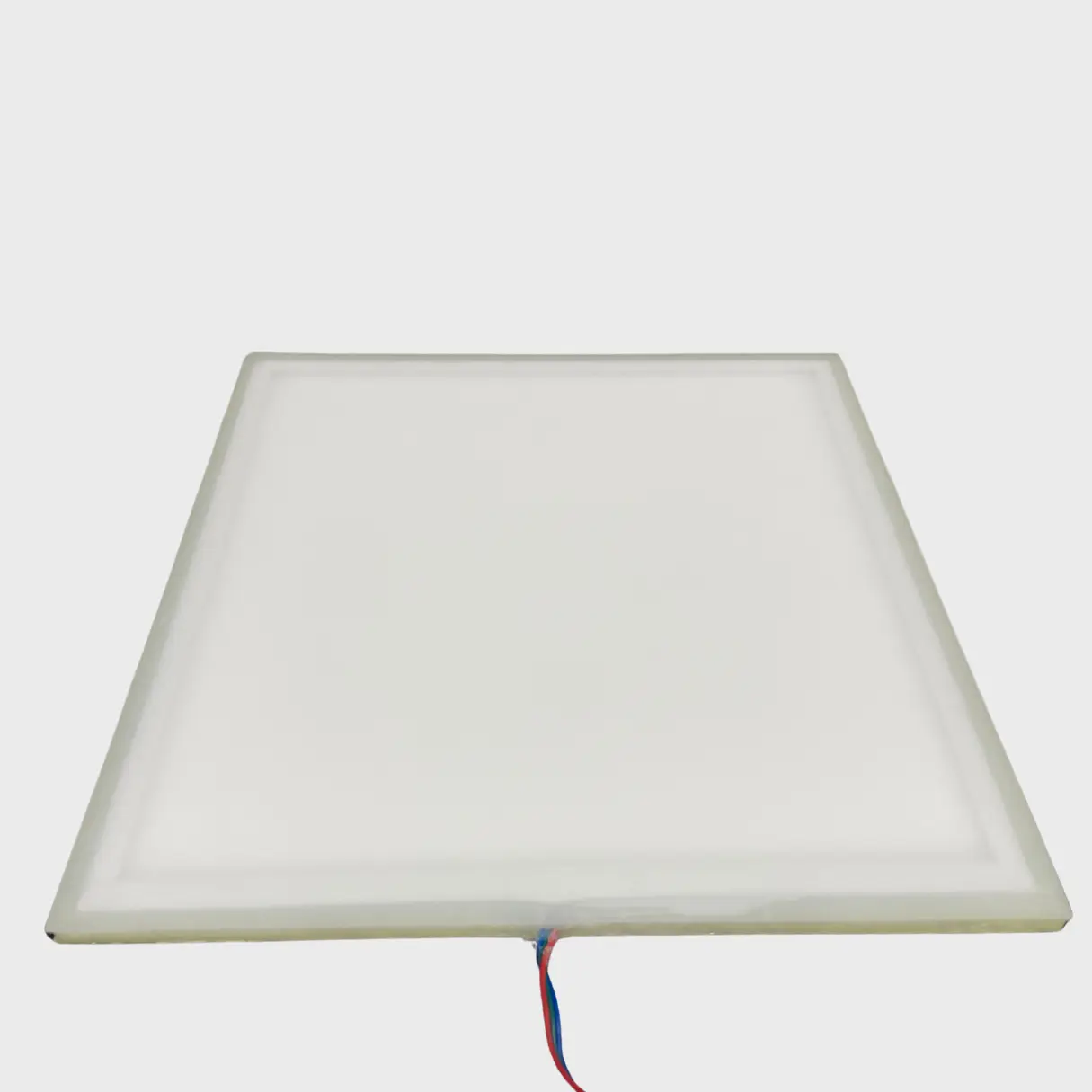
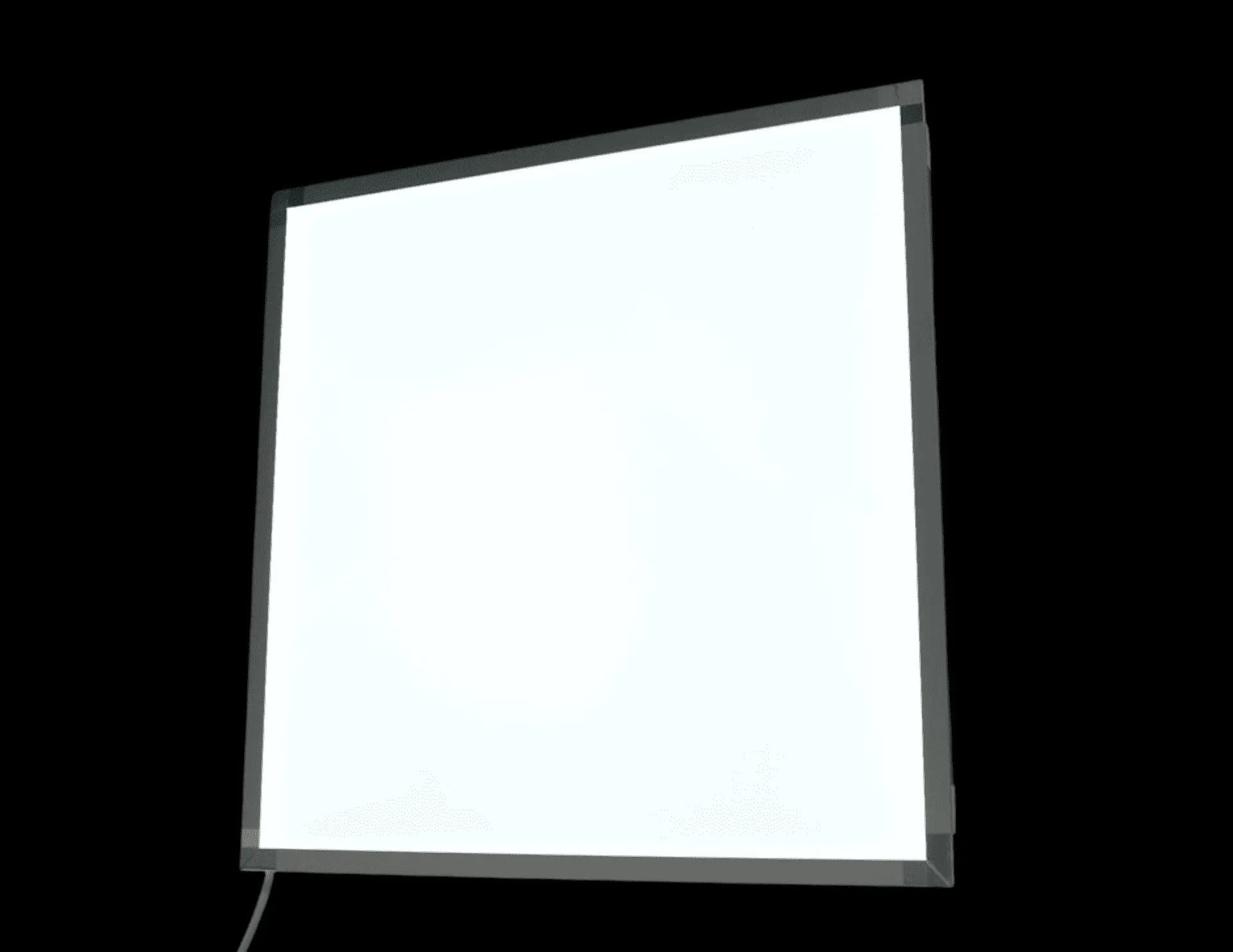
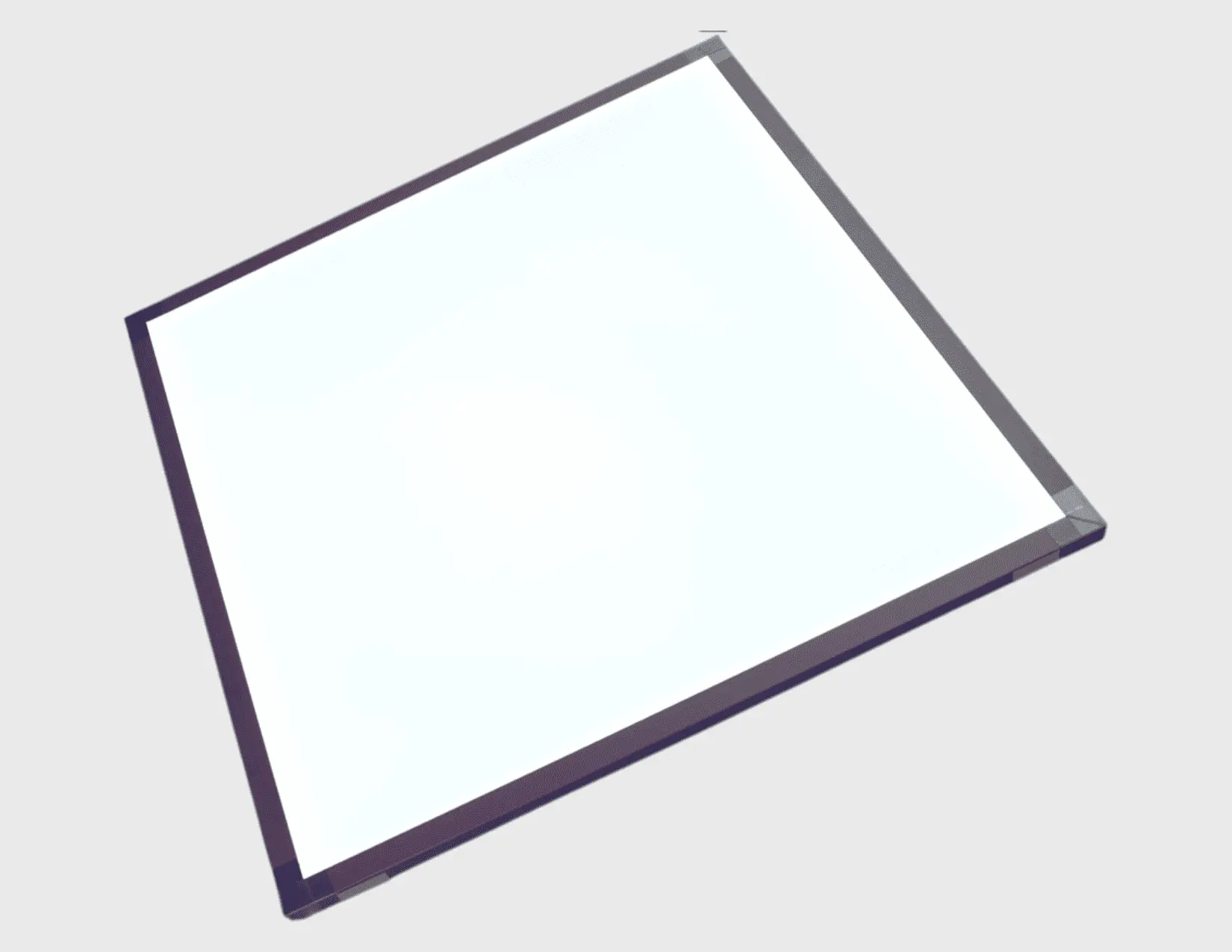
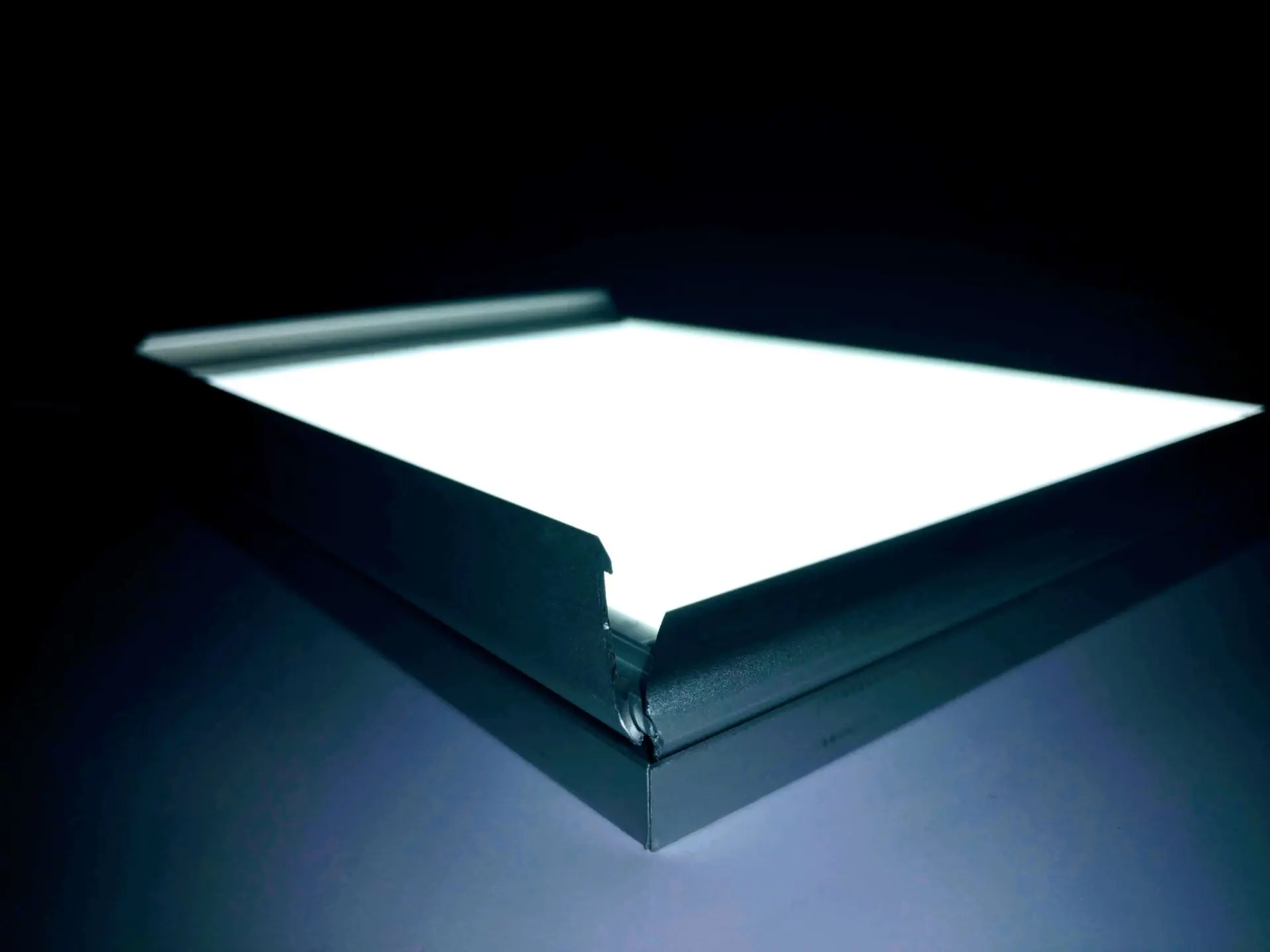
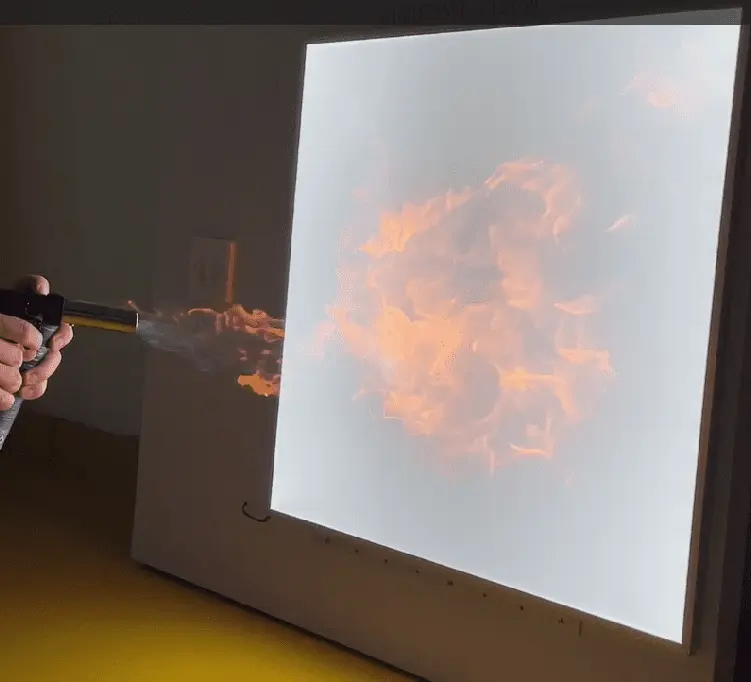
A backlit stretch ceiling needs an even area light source spread across the whole field behind the membrane. Rows of LED strip or spaced modules typically need a deep plenum — often 30 cm or more — to blend. LightWave® flexible LED light sheets place 324 LEDs in every square foot at under 7 mm thick, so the light is already spread before it reaches the membrane, which makes shallower luminous ceilings possible. Confirm the final depth with a membrane mockup.
A luminous ceiling — a translucent stretch membrane lit from above — turns a room into one soft, shadowless light source. It is common in flagship retail, clinics, spas, offices and lobbies. Its weak point is depth: most backlighting methods need a large void above the membrane to hide the individual light sources. This page explains how to design around that constraint with flexible LED sheets.
How does a backlit stretch ceiling work?
A perimeter track is fixed around the room and a translucent PVC or fabric membrane is tensioned into it. The light sits in the void above, mounted to the structural ceiling or a back panel. The membrane diffuses the light into a single glowing surface. Any unevenness above — spaced strips, module grids, dark corners — shows through as bands or spots.
How deep does a stretch ceiling plenum need to be?
Depth depends on how far apart the light sources are. The common rule for point and line sources is that the distance to the membrane should roughly match the spacing between sources — which is why strip and module systems often call for 30 cm or more. An LED sheet removes most of the spacing problem because the LEDs are already on a dense grid across the entire surface.
| Backlight method | Source spacing | Typical depth behavior |
|---|---|---|
| LED strip rows | Rows spaced across the ceiling | Needs depth roughly equal to row spacing to avoid banding |
| LED modules / tiles | Grid of spaced modules | Needs depth roughly equal to module spacing |
| LightWave® LED sheets | Continuous grid, 324 LEDs per sq ft | Blends at much shorter distance; confirm with mockup |
How much light does a luminous ceiling need?
Start from the room’s purpose. An ambient or decorative ceiling in a lounge needs far less output than a luminous ceiling that is the main light source for a workspace. Then account for the membrane: a membrane passing about 75% of the light needs roughly a third more output behind it than the target at the face. Generation 1 Plus delivers 1,580–1,720 lm per 12″ × 24″ sheet (about 790–860 lm per sq ft of sheet); Roll It! high-output delivers 350–450 lm per foot.
Which LightWave variant suits a stretch ceiling?
- Generation 1 Plus, single color: the default for ambient luminous ceilings.
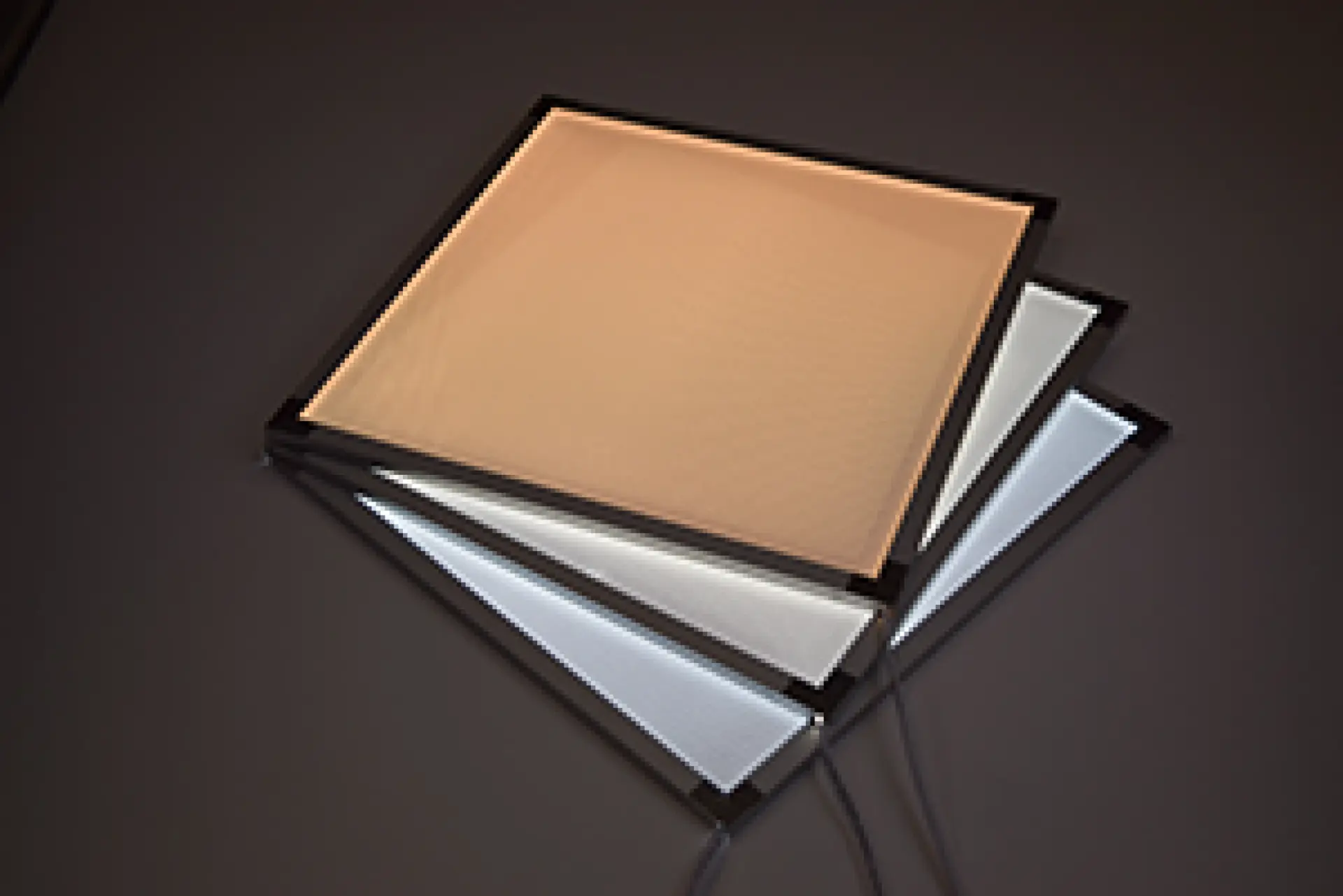
- Generation 1 Plus or CH2, tunable white: offices, clinics and hospitality where the ceiling follows the day from 2700K to 6500K. See circadian LED lighting.
- PIXX: ceilings that animate, such as sky effects or retail color zones.
- Roll It!: long, narrow ceiling bands and coffers, up to 40 ft continuous in the standard format.
How do you install LED sheets above a stretch ceiling?
- Prepare a flat, clean back surface — the structural ceiling or a lightweight back panel. Degrease with 70% isopropyl alcohol.
- Lay out sheets to cover the full field, including corners and edges, cutting along marked lines to fit.
- Adhere sheets and, on overhead installs, add mechanical fixing through the designated mounting points.
- Wire by zone; keep drivers accessible outside the membrane area.
- Power up and inspect the whole field for dark areas before the membrane is tensioned.
- Tension the membrane and check again from floor level with the room lights off.
What are the most common stretch ceiling lighting mistakes?
- Unlit edges and corners. The eye reads a luminous ceiling from its edges; carry the sheets right to the perimeter track.
- Mixed light sources. Combining strips, modules and sheets in one field produces visible differences in color and brightness. Use one source and one color temperature per field.
- Drivers inside the void. Enclosed drivers are hard to reach and add heat. Mount them outside the membrane area.
- No mockup. Membranes differ widely in transmission. Test a section at the real distance before ordering the full quantity.
- One zone for a large ceiling. Above 500 W, split into zones so a single fault never darkens the whole ceiling.
How do you keep a stretch ceiling serviceable?
Stretch membranes can be released from the track and re-tensioned, but it is disruptive. Place drivers and controllers outside the membrane area, and use access panels or a removable section for any equipment that must sit inside.
Which ceiling materials can be backlit with LED sheets?
- Stretch membranes (PVC or fabric): the most common luminous ceiling; see above.
- Backlit acrylic ceilings and acrylic false-ceiling panels: opal acrylic panels in a grid or frame; the sheet sits on the ceiling above the panels.
- Backlit fabric ceilings: tensioned fabric in frames or clouds; the weave diffuses the light.
- Backlit coffered ceilings: each coffer becomes a lit field; cut sheets to each coffer or run Roll It! along the coffer edges.
- Alabaster, onyx and stone ceilings: heavy; they need engineered overhead support and the stone rules on backlit onyx walls.
Grid ceiling troffers sold as “2×2 backlit ceiling panels” are complete light fixtures, not backlit ceiling surfaces, and are a different product.
Can you backlight onyx, stone or stained glass on a ceiling?
Yes, with the same principles as walls, plus secure overhead support for the stone or glass. For stone, see how to backlight an onyx wall. For glass, see stained glass backlighting.