Quick Answer:
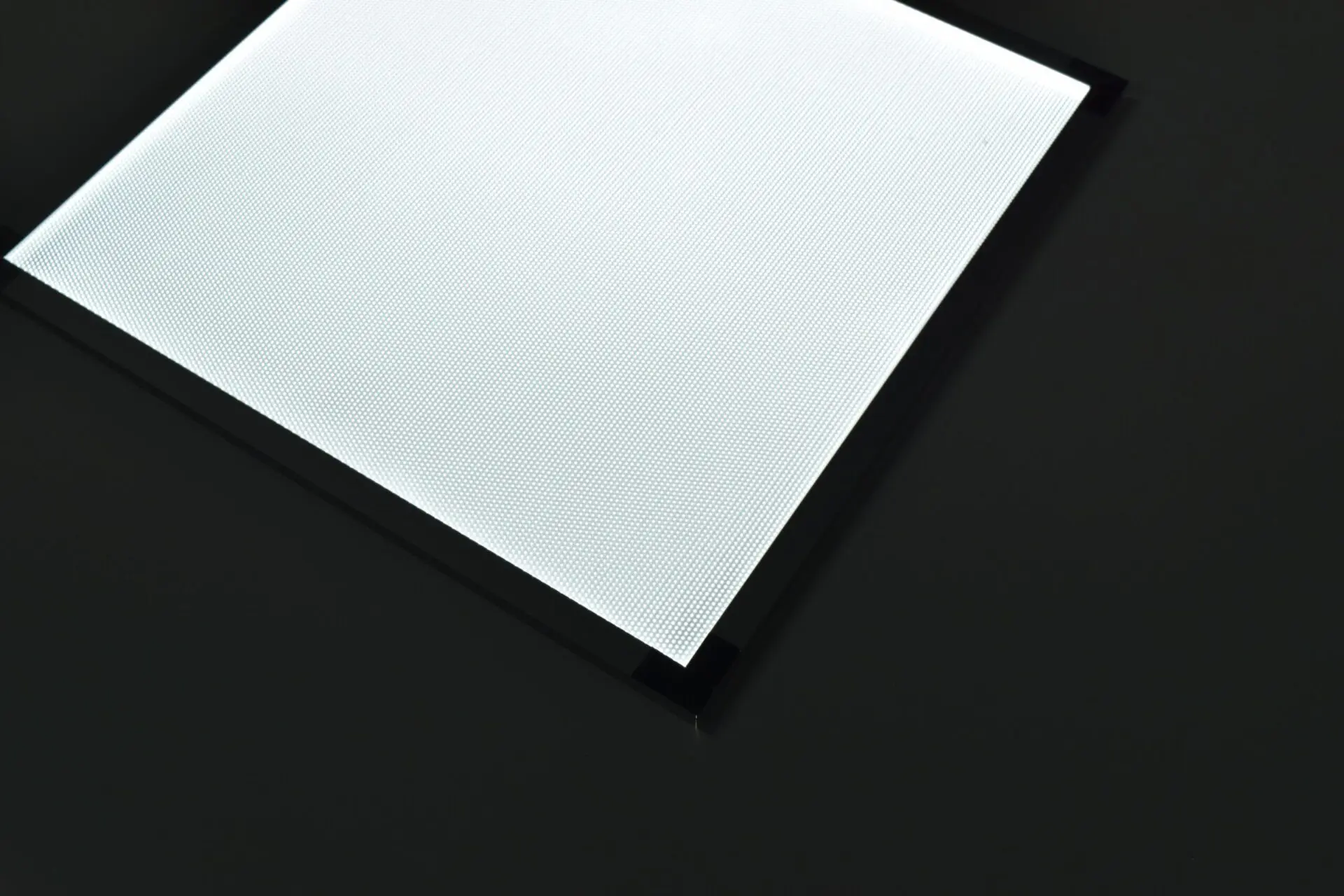
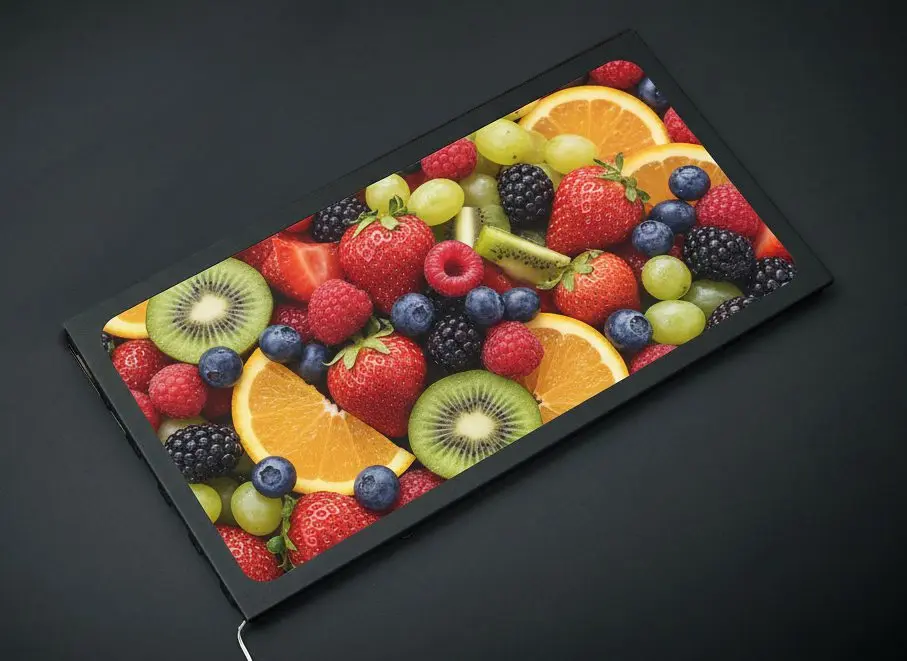
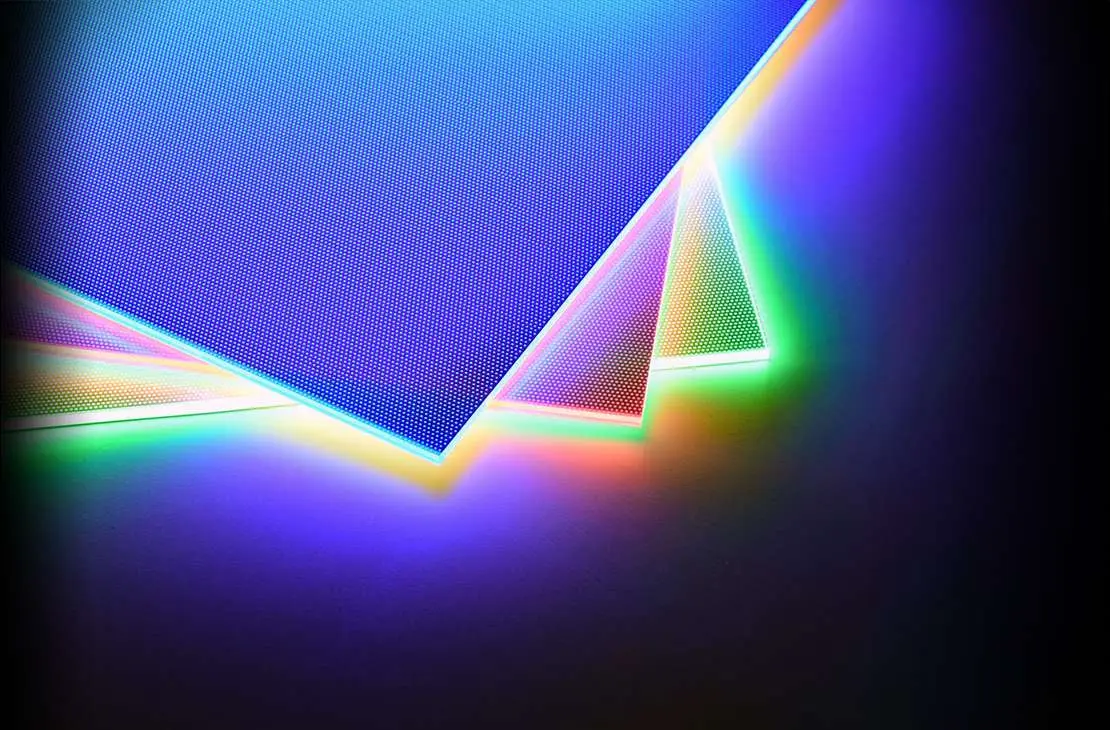
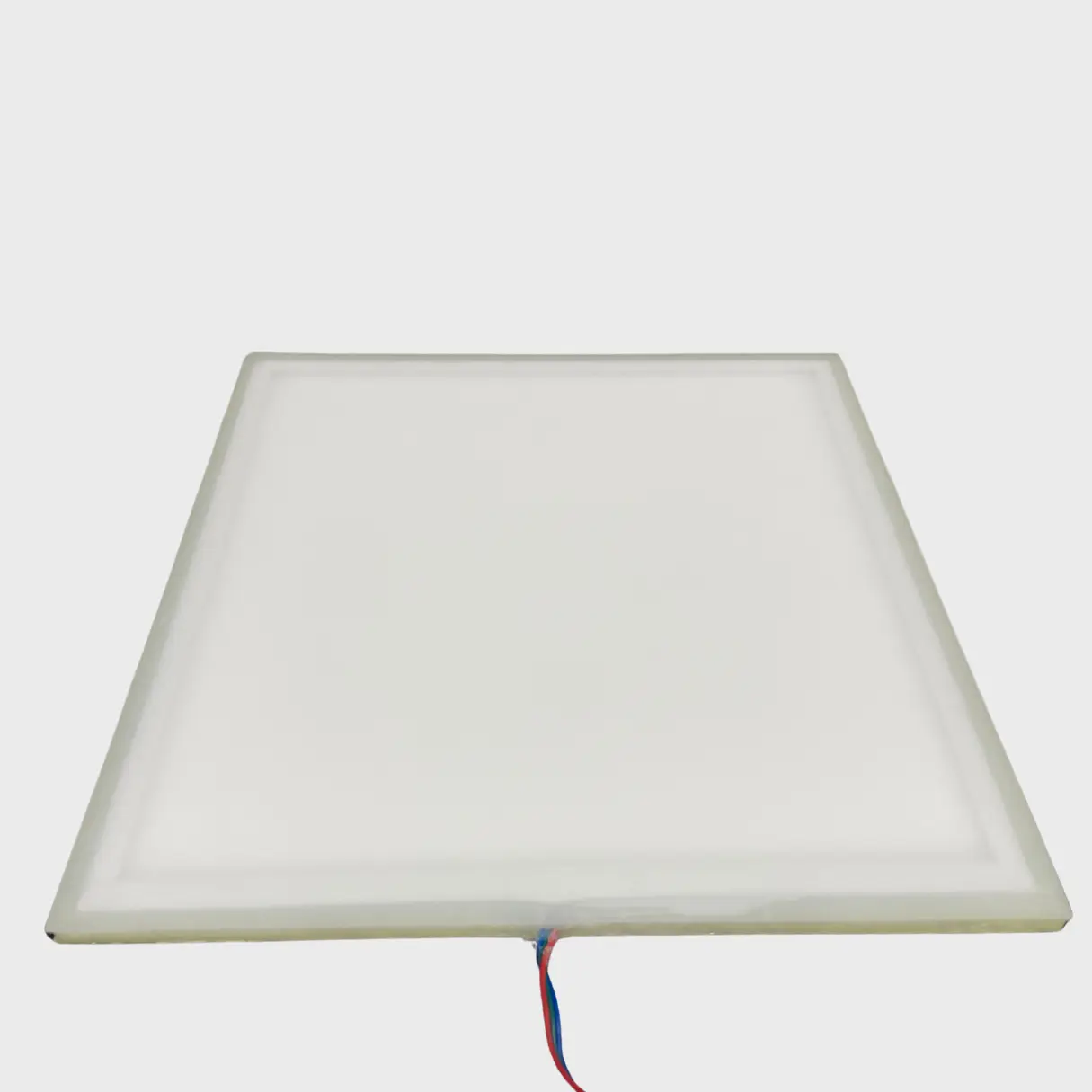
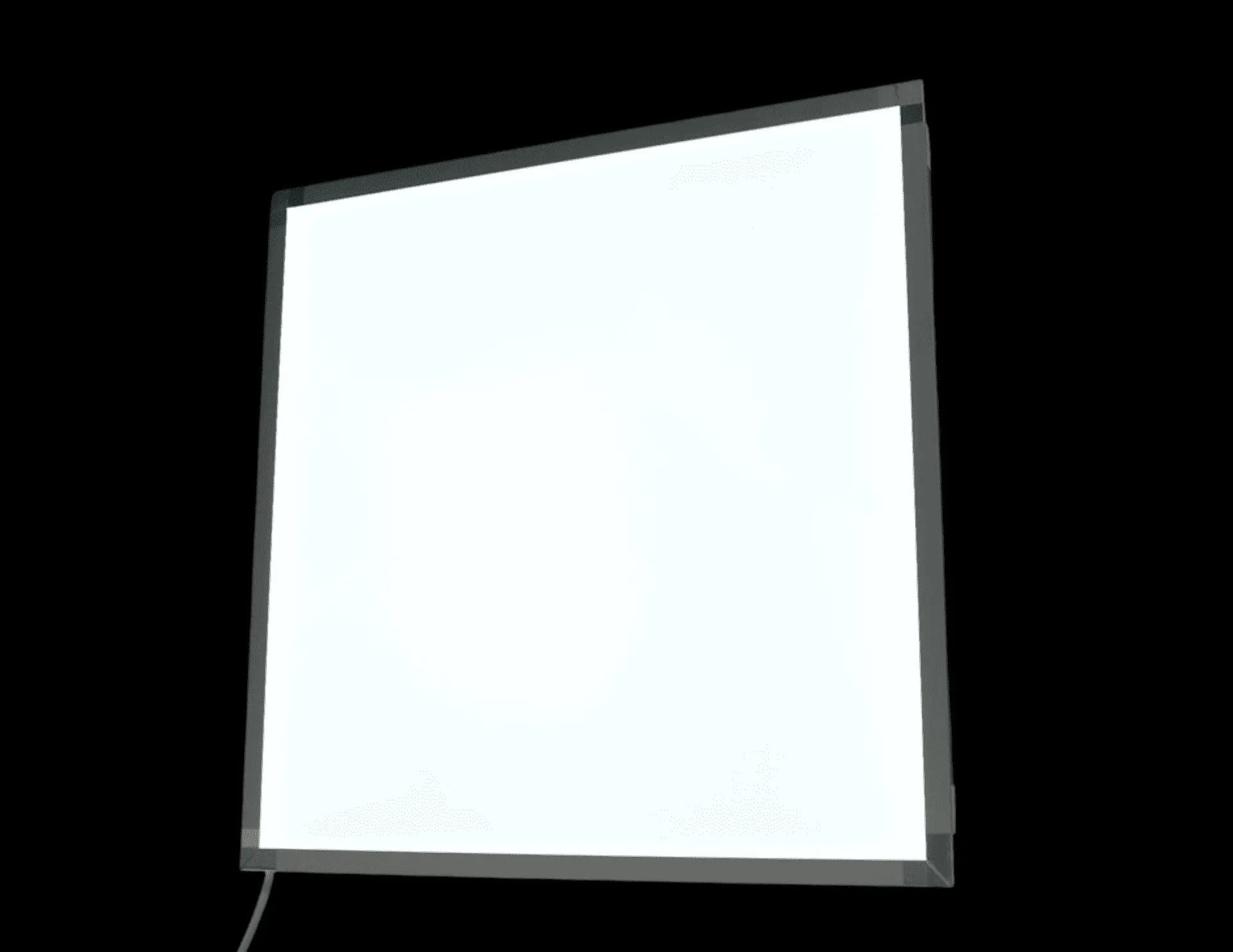
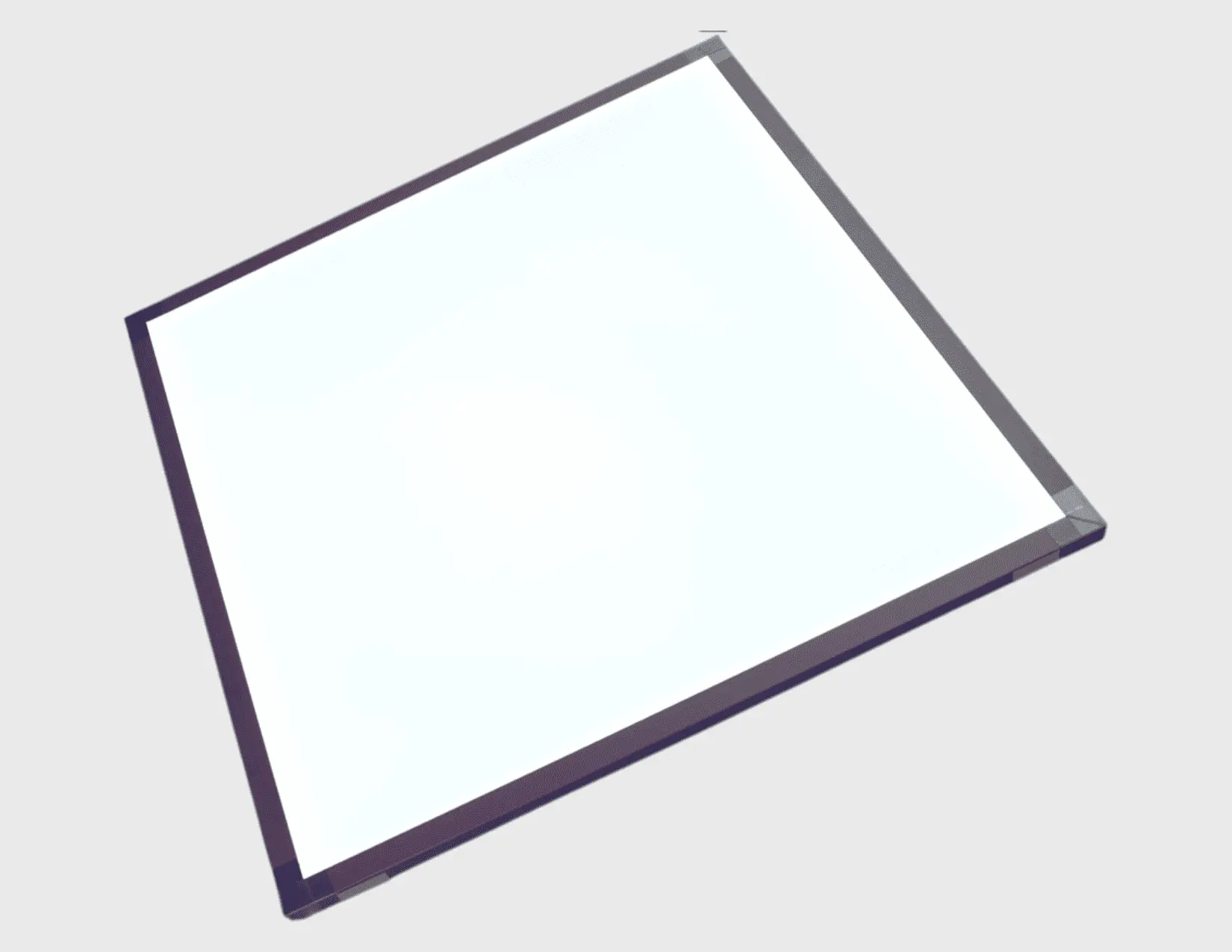
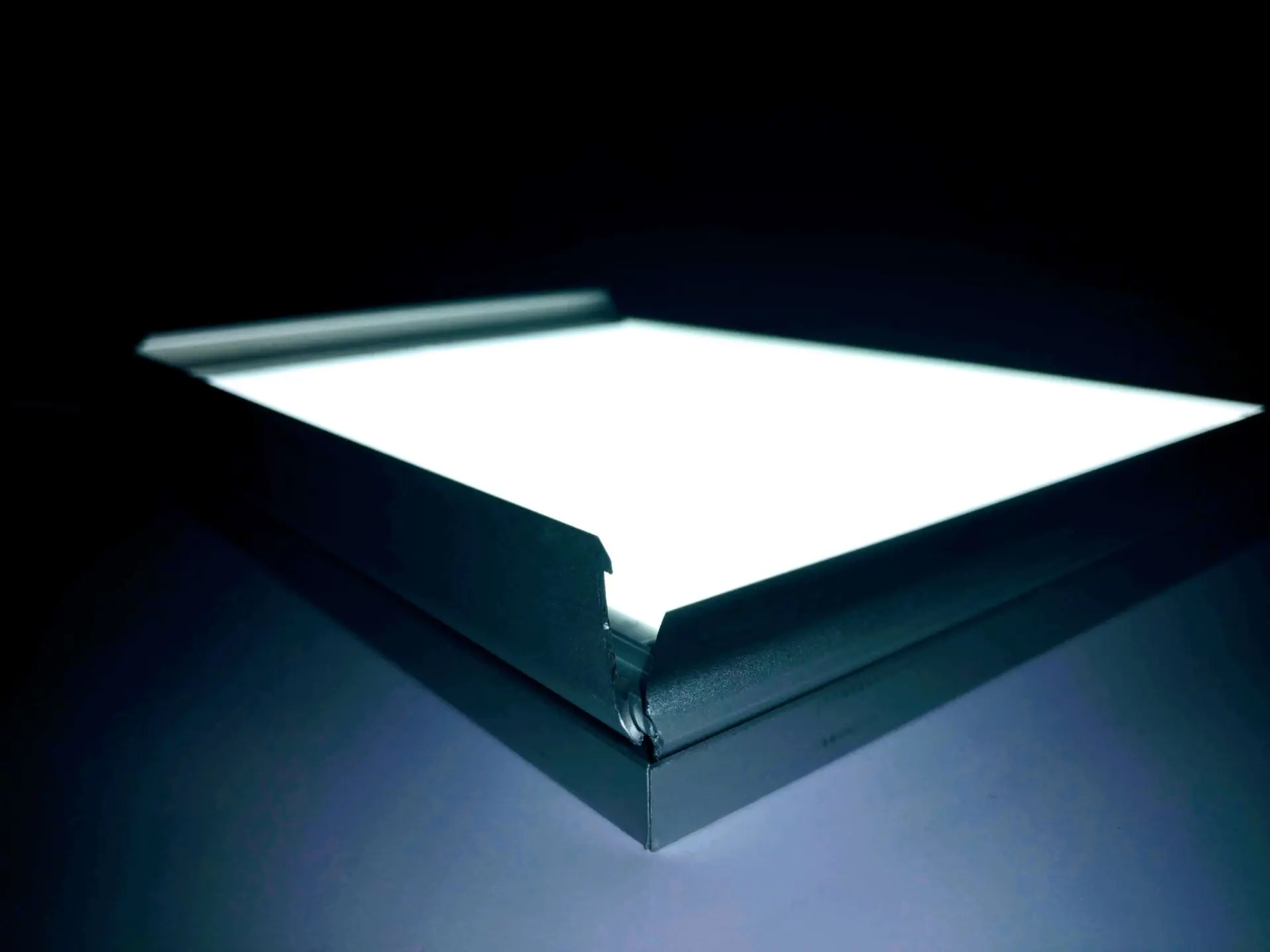
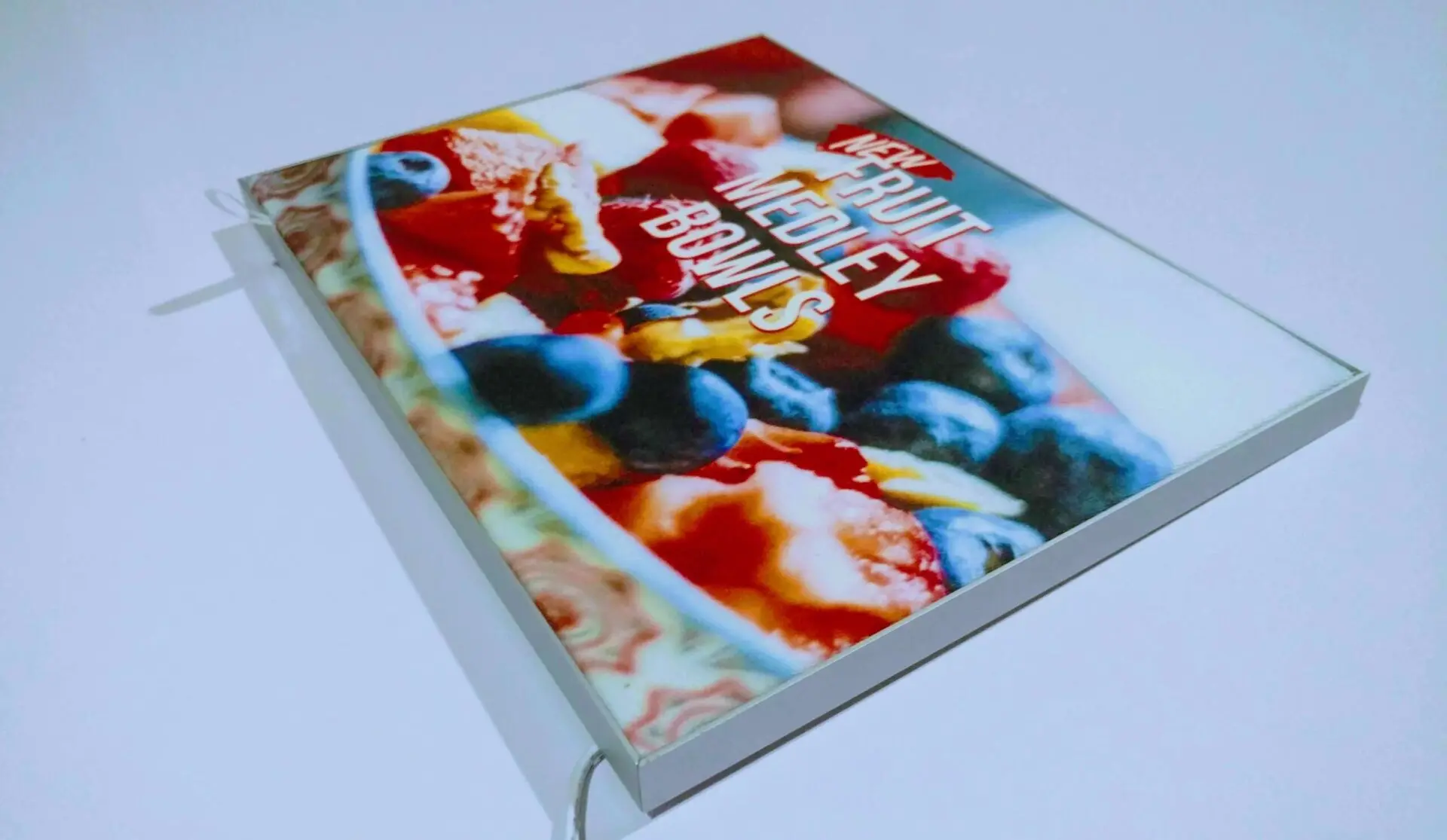
To backlight stained glass evenly, build a shallow light box behind the panel, line its back with an even area light source, and add a diffusion layer between the light and the glass. A white light at 3500K–5000K with high color rendering shows the glass colors most faithfully. LightWave® flexible LED sheets are under 7 mm thick and cut to the panel’s shape, so a window or wall piece can be lit in a box only a few inches deep.
Stained glass is designed to be seen with daylight behind it. Inside a building — an interior wall, a church window that now faces a new addition, a restored panel in a museum or a residential piece hung as art — that daylight is gone. Backlighting brings it back. The goal is simple to state and easy to miss: the glass should glow evenly, in its true colors, with no visible light source.
Why do stained glass panels need even backlighting?
Glass is less forgiving than stone or fabric. Clear and pale pieces transmit almost everything behind them, so a line of LEDs or a single lamp shows through as a hot stripe or spot. Darker pieces absorb more light, which exaggerates any unevenness across the panel. An area light source with a diffuser in front gives every piece the same light to work with.
How deep should a stained glass light box be?
The light box needs room for the light source, an air gap and a diffuser. With LightWave®, the source is under 7 mm, so nearly all the depth goes to diffusion. Build a mockup with the actual panel and diffuser before committing to a depth — clear glass needs more diffusion than heavily colored or textured glass.
What is the best light for backlit stained glass?
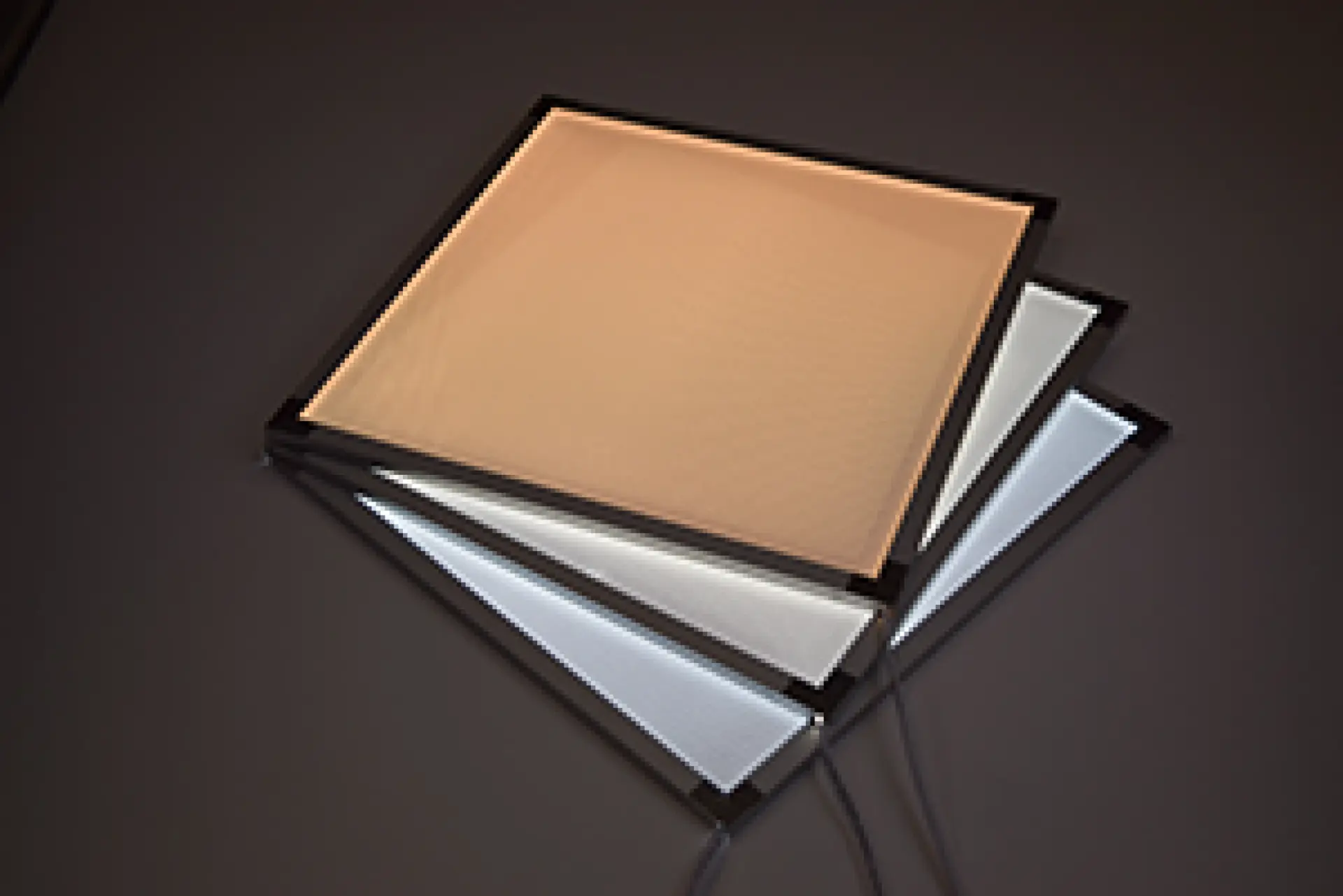
- Color temperature: 3500K–5000K is a neutral starting point; warmer light mutes blues and greens, cooler light can make reds look flat. Tunable white (2700K–6500K) lets you set it on site. See the color temperature guide.
- Color rendering: glass color depends on the full spectrum reaching it. LightWave® CH2 in its RGBW build reaches CRI 90; standard LightWave® is CRI 80+. See CRI explained.
- Dimming: backlit glass is often too bright at full output in a dim interior. Specify a dimmable driver.
Which LightWave variant suits stained glass?
| Project | Recommended | Why |
|---|---|---|
| Window or panel, fixed white | Generation 1 Plus, single color | 1,580–1,720 lm per 12″ × 24″ sheet; standard 3500K or 5000K |
| Panel where the white must be set on site | Generation 1 Plus or CH2, tunable white | 2700K–6500K under controller command |
| Museum or heritage piece where color accuracy matters | CH2, RGBW build | CRI 90 |
| Tall, narrow lancet windows | Roll It! | 4″ wide, cut to length, one run per light |
How do you backlight a stained glass window?
- Measure the visible glass area and the depth available behind the window opening.
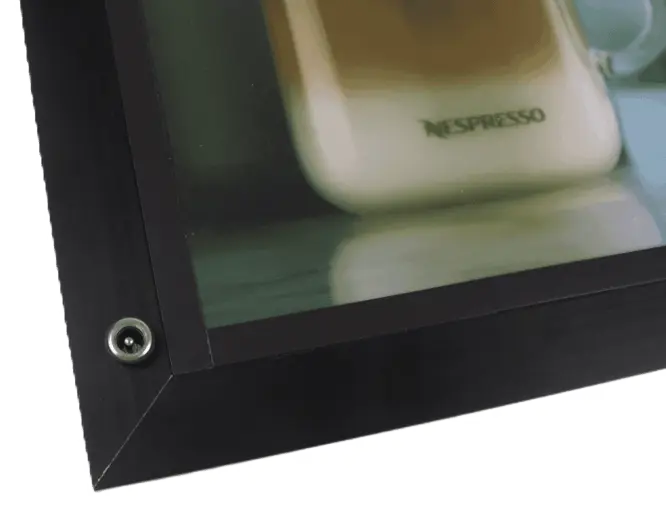
- Build or specify a sealed light box with a white or reflective interior.
- Cut LightWave® sheets to cover the full back of the box, including edges and arch tops, along the marked cut lines.
- Fit a diffuser — typically 1/16″ to 1/8″ opal acrylic — between the sheets and the glass. See LED sheet diffusers.
- Mount the drivers outside the box where they can be reached.
- Test with the room at its normal lighting and set the dim level.
How do you backlight stained glass on a wall?
For a panel hung as art, a slim wall-mounted box behind the glass works well. Because the sheet is flexible and cuttable, it follows round, oval and arched panels without wasted light around the edges. Route power through the wall to a remote driver so the only visible element is the glowing glass.
Can you backlight a stained glass ceiling or dome?
Yes. The sheets bend to follow curved and domed backs. Overhead installs need secure mechanical fixing and safe support for the glass. The same principles apply as for backlit and stretch ceilings.
Is LED backlighting safe for historic or restored glass?
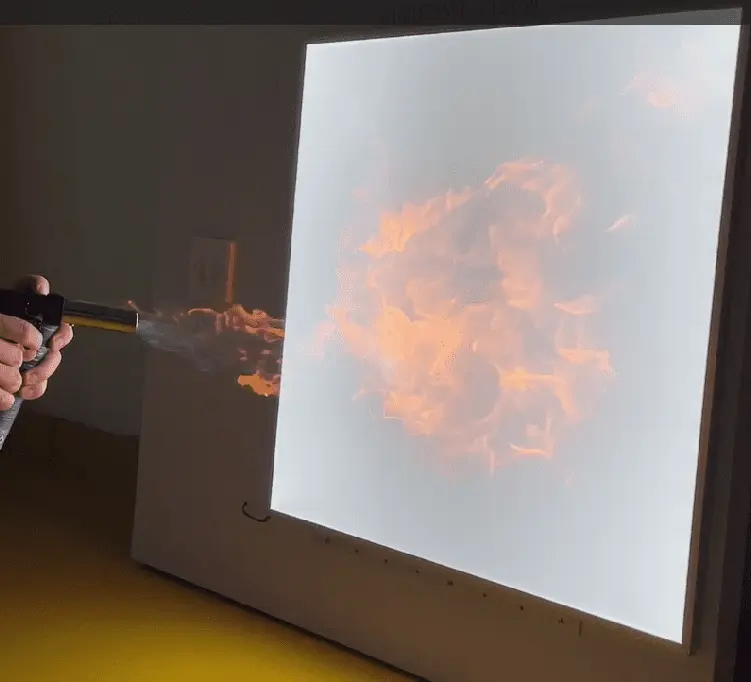
LED sheets add far less heat than the incandescent or fluorescent boxes once used behind glass, and they emit no meaningful UV. For conservation projects, follow the guidance of the conservator responsible for the panel. See also museum exhibit backlighting.